Transform Your Space: How to Choose a Home Contractor
Embarking on a home improvement project is a significant investment, both financially and emotionally. It demands meticulous planning, a clear vision, and, most importantly, the right team to bring that vision to life. Hiring a local home improvement contractor can make a world of difference in the smooth execution and overall success of your project. Local contractors come with a wealth of community-specific knowledge, including local building codes, weather conditions, and suppliers, which can be invaluable in ensuring that your project is completed efficiently and to the highest standards.
A local contractor’s familiarity with the area can also streamline the permitting process, as they often have established relationships with local authorities and a deep understanding of the necessary documentation and requirements. This can significantly reduce delays and ensure that your project progresses without unnecessary interruptions. Furthermore, local contractors are more likely to have a vested interest in maintaining a good reputation within the community, which can lead to a higher level of accountability and commitment to quality workmanship.
Moreover, hiring a local contractor supports the local economy, fostering job creation and contributing to the community’s overall prosperity. By choosing a local professional, you are not only investing in your own home but also in the betterment of your local area. With these advantages, it becomes clear that the decision to hire a local home improvement contractor is a critical step toward achieving your renovation goals to Transform Your Living Space To Stunning.
Key Qualities to Look for in a Home Improvement Contractor
When selecting a home improvement contractor to Transform Your Living Space To Stunning, it is essential to identify key qualities that will ensure a successful partnership. First and foremost, experience and expertise in the specific type of project you are planning are crucial. A contractor who specializes in kitchen remodels, for example, will have a different skill set and knowledge base compared to one who focuses on outdoor landscaping. Make sure to verify that the contractor has a proven track record in the kind of work you need.
Communication skills are another vital quality. A good contractor should be able to clearly explain the project plan, address any concerns you may have, and keep you updated on progress. This transparency helps build trust and ensures that both parties are on the same page throughout the duration of the project. Look for a contractor who listens to your ideas and provides constructive feedback, demonstrating a collaborative approach to turning your vision into reality.
Reliability and professionalism are equally important. A contractor who is punctual, organized, and respectful of your property will make the renovation process much smoother and less stressful. Check if the contractor adheres to deadlines and maintains a clean and safe work environment. Additionally, a good contractor should be able to provide references from previous clients, showcasing their ability to deliver quality work consistently.
Researching Potential Contractors: Where to Start
The journey to finding the right home improvement contractor begins with thorough research. Start by seeking recommendations from friends, family, and neighbors who have recently completed similar projects. Personal referrals can provide valuable insights into a contractor’s work ethic, reliability, and overall quality. Additionally, local hardware stores and home improvement centers often have bulletin boards or staff who can recommend reputable contractors in the area.
Online resources are also invaluable in your search. Websites like Angie’s List, HomeAdvisor, and the Better Business Bureau offer reviews and ratings for contractors, giving you a sense of their reputation and customer satisfaction. Social media platforms and neighborhood groups can also be useful for gathering recommendations and feedback from a wider community. Make sure to take note of any recurring themes in the reviews, whether positive or negative, as these can indicate the contractor’s strengths and potential weaknesses.
Once you have compiled a list of potential contractors, visit their websites to gather more information about their services, experience, and portfolio of completed projects. Look for certifications, awards, and memberships in professional organizations, as these can be indicators of a contractor’s commitment to quality and continuous improvement. By conducting thorough research, you can narrow down your options and create a shortlist of contractors to contact for further evaluation.
Questions to Ask During the Initial Consultation
Transform Your Living Space To Stunning requires the initial consultation with a potential contractor. It is an opportunity to gauge their suitability for your project. Prepare a list of questions to ensure a comprehensive understanding of their capabilities and approach. Start by asking about their experience with similar projects and request to see examples of their previous work. This will help you assess their expertise and craftsmanship.
Inquire about their availability and timeline for completing the project. It is essential to have a clear understanding of when they can start and how long the project is expected to take. Delays can be costly and frustrating, so ensure that the contractor’s schedule aligns with your expectations. Additionally, discuss their process for handling unexpected issues or changes to the project scope, as flexibility and problem-solving skills are crucial in managing a successful renovation.
Ask about the contractor’s team and subcontractors, if applicable. Understanding who will be working on your project and their qualifications can give you confidence in the overall execution. Also, discuss their communication methods and frequency of updates. Regular, transparent communication is vital to keeping the project on track and addressing any concerns promptly. By asking these questions, you can gather essential information to make an informed decision about whether the contractor is the right fit for your home improvement project.
Evaluating Contractor References For Transform Your Living Space To Stunning
A contractor’s portfolio is a window into their craftsmanship, style, and attention to detail. When evaluating portfolios, look for projects similar to yours in scope and complexity. Pay close attention to the quality of work, including finishes, design elements, and overall aesthetics. A well-documented portfolio with before-and-after photos can provide a clear picture of the contractor’s capabilities and their ability to transform spaces.
In addition to reviewing portfolios, request references from previous clients. Speaking directly with past clients can offer invaluable insights into the contractor’s professionalism, reliability, and ability to meet deadlines. Ask about their overall experience working with the contractor, including communication, problem-solving, and satisfaction with the finished product. Be sure to inquire about any issues that arose during the project and how the contractor addressed them.
Another valuable resource is visiting completed projects, if possible. Seeing the contractor’s work in person can provide a more tangible sense of their quality and attention to detail. It also offers an opportunity to speak with homeowners about their experiences and gather firsthand feedback. By thoroughly evaluating portfolios and references, you can gain confidence in your choice and ensure that the contractor you select has a proven track record of delivering high-quality results.
Understanding Estimates and Contracts
Receiving detailed estimates from potential contractors is a critical step in the decision-making process. A comprehensive estimate should include a breakdown of costs for materials, labor, permits, and any other associated expenses. It should also outline the project timeline, including start and completion dates. Comparing estimates from multiple contractors can help you identify any discrepancies and ensure that you are getting a fair price.
Once you have selected a contractor, the next step is to review and sign a contract. The contract should be thorough and clearly outline the scope of work, payment schedule, warranty information, and terms for resolving disputes. Ensure that the contract specifies all materials to be used, including brands and models, to avoid any misunderstandings or substitutions. It is also advisable to include a clause that addresses how changes to the project will be managed, including any associated costs and timeline adjustments.
Before signing the contract, take the time to review it carefully and seek clarification on any points that are unclear. It may also be beneficial to have a legal professional review the contract to ensure that your interests are protected. A well-drafted contract serves as a roadmap for the project, setting clear expectations for both parties and providing a foundation for a successful partnership.
The Role of Licenses and Insurance in Home Improvement Projects
Ensuring that your contractor holds the necessary licenses and insurance is a crucial aspect of the selection process. Licensing requirements vary by region and type of work, so it is essential to verify that your contractor is properly licensed for your specific project. Licensed contractors are more likely to adhere to local building codes and industry standards, reducing the risk of subpar work and potential legal issues.
Insurance is equally important, as it protects you and the contractor in the event of accidents or damages during the project. Request proof of both general liability insurance and workers’ compensation insurance. General liability insurance covers any damage to your property caused by the contractor’s work, while workers’ compensation insurance protects you from liability if a worker is injured on your property. Without adequate insurance, you could be held financially responsible for accidents or damages.
In addition to licenses and insurance, check if the contractor is bonded. A bond provides additional protection, ensuring that the contractor will complete the work as agreed upon. If the contractor fails to meet their obligations, the bond can provide compensation to cover the cost of hiring another contractor to complete the project. By verifying licenses, insurance, and bonding, you can safeguard your investment and ensure that you are working with a reputable and responsible professional.
Red Flags to Watch Out For When Hiring a Contractor
While many contractors operate with integrity and professionalism, it is essential to be aware of potential red flags that may indicate less reputable practices. One major red flag is a contractor who demands a large upfront payment before any work has begun. While a reasonable deposit is standard, be wary of contractors who request a significant portion of the total cost upfront, as this can indicate financial instability or potential for abandonment.
Another red flag is a lack of written documentation. A reputable contractor should provide detailed estimates, contracts, and receipts for payments. Verbal agreements are insufficient and can lead to misunderstandings or disputes. Always insist on thorough written documentation to ensure that all terms and conditions are clearly outlined and agreed upon. A simple neglected understanding can lead to not having a somone Transform Your Living Space To Stunning.
Be cautious of contractors who are unwilling to provide references or who have a history of negative reviews. A reputable contractor should be transparent about their previous work and willing to connect you with past clients. Additionally, watch for signs of poor communication or unprofessional behavior during the initial consultation. If a contractor is difficult to reach, dismissive of your concerns, or fails to provide clear and timely responses, it may be an indication of how they will handle communication throughout the project. By staying vigilant and recognizing these red flags, you can avoid potential pitfalls and select a contractor who will deliver quality results.
Tips for Maintaining a Good Relationship with Your Contractor
A strong partnership with your contractor is key to a successful home improvement project. Clear and open communication is the foundation of this relationship. Establish regular check-ins to discuss progress, address any concerns, and ensure that both parties are aligned on expectations. Being proactive in communication can help prevent misunderstandings and keep the project on track.
Respect for your contractor’s expertise and professionalism is also crucial. Trust their judgment and be open to their suggestions, as they bring valuable experience and insights to the table. However, do not hesitate to voice your preferences and concerns. A collaborative approach, where both parties feel heard and respected, fosters a positive working environment and contributes to the overall success of the project.
Finally, showing appreciation for your contractor’s hard work can go a long way in maintaining a positive relationship and also ensure they Transform Your Living Space To Stunning. Simple gestures, such as providing refreshments or acknowledging their efforts, can boost morale and motivation. Additionally, prompt and fair payment for completed work demonstrates your commitment to honoring the agreed terms. By fostering a respectful and collaborative partnership, you can ensure a smooth and successful home improvement project.
Conclusion: Making the Right Choice for Your Home Improvement Project
Choosing the right local home improvement contractor is a pivotal step in transforming your space and bringing your vision to life. By understanding the importance of hiring a local professional and identifying key qualities to look for, you can make an informed decision that sets the foundation for a successful project. Thorough research, careful evaluation of portfolios and references, and asking the right questions during consultations are essential steps in this process.
Ensuring that your contractor holds the necessary licenses, insurance, and bonding protects your investment and provides peace of mind. Being aware of red flags and maintaining clear communication and respect throughout the project can help avoid potential pitfalls and foster a positive working relationship. By following these guidelines and taking a proactive approach, you can confidently select a contractor who will deliver high-quality results and transform your home into a space that reflects your style and needs.
Embarking on a home improvement project is an exciting journey, and having the right contractor by your side can make all the difference. With careful planning, diligent research, and thoughtful decision-making, you can turn your renovation dreams into reality and create a space that you and your family will enjoy for years to come.
Transform Your Living Space To Stunning with Florida Roofing and Renovations who are members of the BBB and are an accredited business.

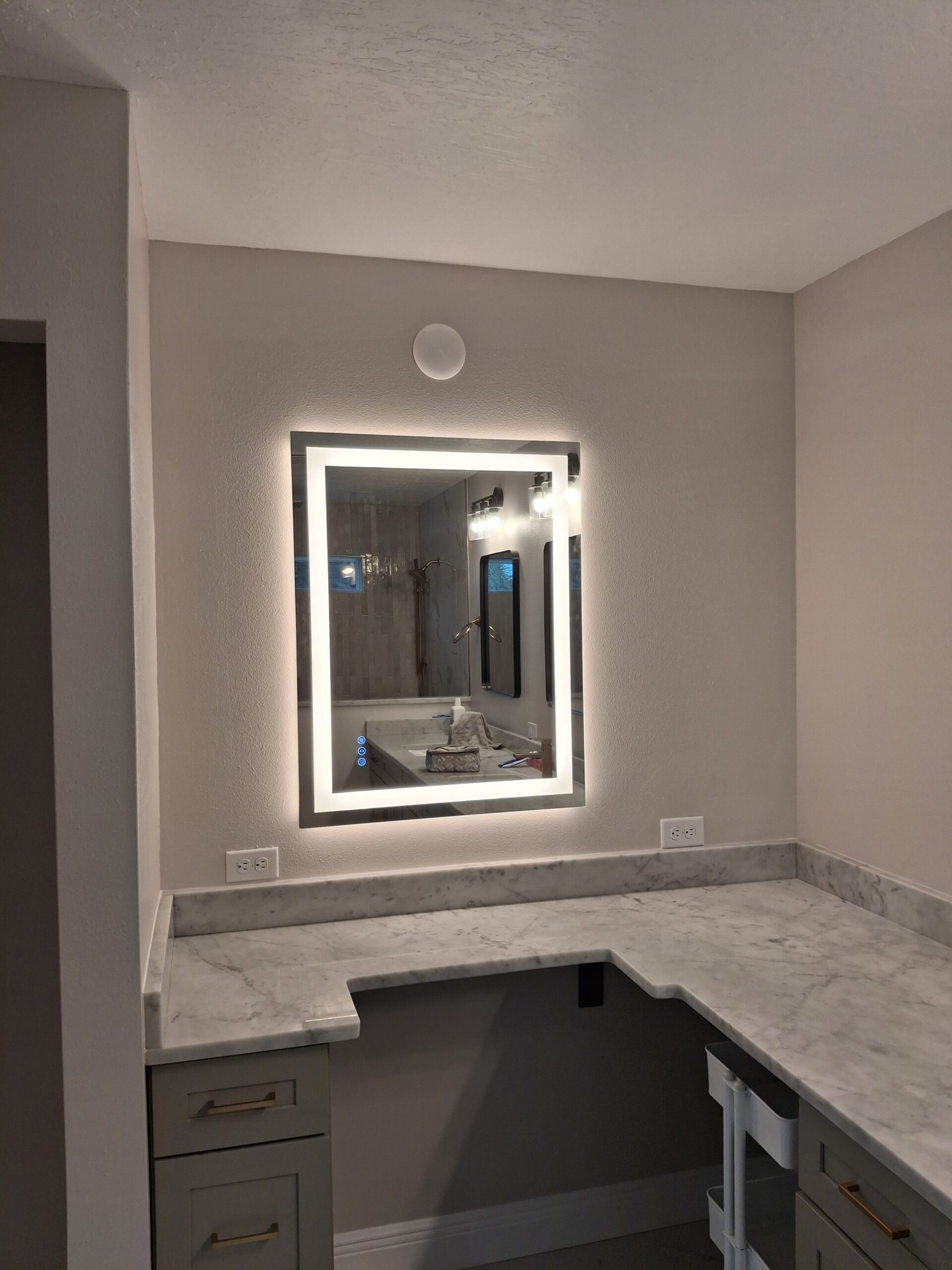
Bath Remodel
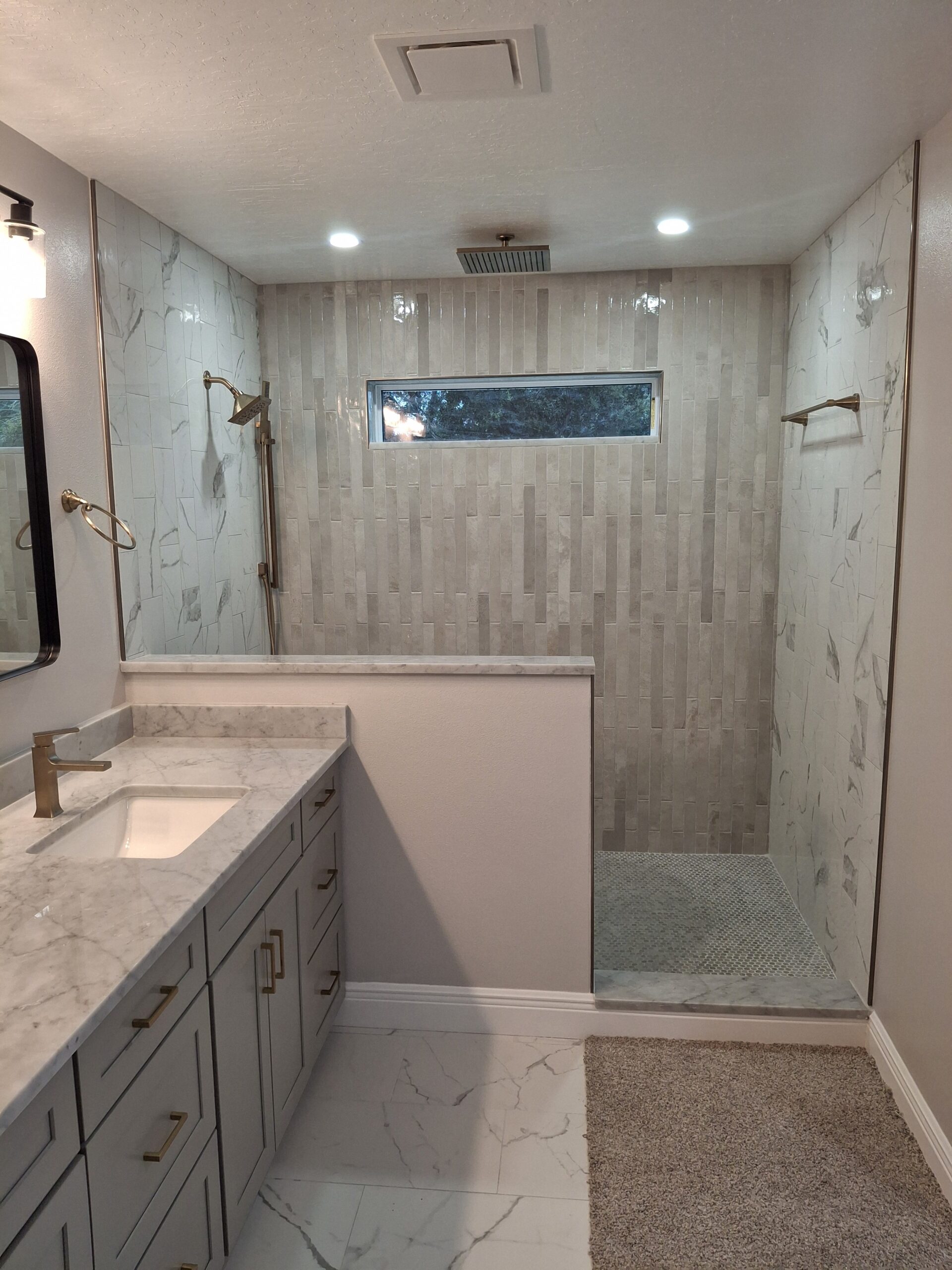
Bath Walkin Shower