
Knowing how to extend roof lifespan in Palm Bay, Florida starts with understanding what makes this climate different from everywhere else. The heat, humidity, and salt air here wear a roof down in ways generic maintenance advice was never written for.
Let me give you – what extends a roof’s life on the Space Coast, what to leave alone, and how long you can realistically expect different roofing materials to last down here.
Short Answer: Homeowner Do’s and Don’ts
Do this:
- Clean your gutters every three months
- Clear debris after every storm (not just once a season)
- Trim back branches before hurricane season starts
- Treat algae the moment you see it, and keep your attic ventilated.
Don’t do this:
- Never pressure wash asphalt or tile roofs
- Don’t ignore algae streaks
- Don’t assume a roof is fine just because it looks okay from the driveway
- Don’t confuse a manufacturer warranty with a free pass on maintenance
- Don’t attempt risky DIY repairs after a heavy hurricane
Why Do Florida Roofs Age Faster?
Even with all the do’s and don’ts done right, Florida roofs don’t last as long as roofs up north. 3-tab asphalt shingles typically make it 15–20 years here. Architectural shingles — which most new installs use — run 20–25 years. Impact-resistant Class 4 shingles can reach 22–28 years. National averages run closer to 25–30 years, but those assume milder climates. The difference is the environment: UV, heat, humidity, and salt air age a roof faster than anything a northern winter does.
- UV radiation. Florida gets some of the most consistent, intense sun exposure in the country. That constant baking dries out asphalt shingles, making them brittle and prone to cracking years before they “should.”
- Humidity. The moisture in the air here is exactly what algae and moss need to take hold on a roof.
- Salt air. If you’re anywhere near the beach or the Indian River Lagoon, salt in the air speeds up corrosion on metal fasteners, flashing, and vents.
- Daily thermal cycling. Your roof heats up hard during the day and cools off at night, over and over, every single day of the year. That expansion and contraction loosens fasteners and stresses seams over time.
- Hurricane season. Basic 3-tab shingles are typically rated for winds around 60–70 mph. Architectural shingles handle 110–130 mph depending on the manufacturer. Either way, a direct Category 3 or 4 hit can exceed those thresholds — and wind-driven rain is the bigger threat even when shingles stay in place.Most standard shingles are rated for winds up to around 90 mph. A Category 2 storm blows right past that. Even if your roof looks fine from the driveway after a storm, wind-driven rain can get up under shingles that never actually blew off.
If your roof is already showing some of these signs of wear, it’s worth reading through our breakdown of the signs you need a new roof before you invest more time and money into upkeep.
9 Homeowner Do’s: What Extends Your Roof’s Life
1. Clean your gutters every 3 months
In most places, you’d hear people cleaning twice, once during spring and then fall, but the case is a bit different for Florida.
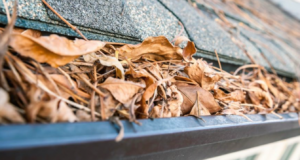
Between summer storm season and year-round oak leaves, pine needles, and palm fronds dropping, gutters here clog faster. A backed-up gutter pushes water where it shouldn’t go: under your shingles, behind your fascia, and eventually into your soffits. Check them every few months, and always after a big storm rolls through.
2. Trim back trees before hurricane season starts
June 1 is the unofficial deadline. Overhanging branches drop debris into your valleys year-round, but the real risk is what happens in a windstorm. If you’ve got oaks or palms hanging over the house, get them cut back before the season kicks off.
3. Clear debris after every storm, not just once a year
Florida’s afternoon monsoon season means storms roll through constantly from June through September. Leaf piles and pine needles sitting in your roof valleys trap moisture, and in this humidity, that turns into algae fast. A soft-bristle broom or a leaf blower handled gently does the job – skip anything with a hard edge or bristles that can chew up the granules.
4. Inspect your roof after every named storm
Inspect your roof after every single named storm that comes through Brevard. Walk the perimeter of your house and look up. You’re checking for missing or lifted shingles, granules piling up in your gutters, bent or lifted flashing, and any soft-looking spots. If something looks off, don’t wait for the next storm to make it worse.
5. Treat algae and moss the moment you see it
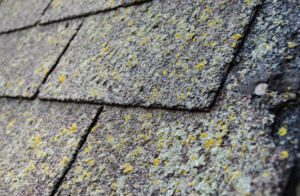
Those dark streaks on Florida roofs are a blue-green algae called Gloeocapsa magma, and it loves humid climates like Palm Bay and Florida in general.
In our humidity, you’ll usually need a clean every 2 to 3 years. Left alone, it traps moisture against your shingles and speeds up rot underneath. Catch it early, and a proper cleaning solution handles it.
Whatever you do, don’t pressure wash your roof! Asphalt Roofing Manufacturers Association (ARMA) has set a standard for low-pressure “soft washing,” and you should follow that.
6. Keep your attic ventilated
Believe it or not, this is the type of issue we find commonly – a poorly ventilated attic in Florida heat turns into an oven, baking your shingles from underneath while the sun bakes them from above. That double hit shortens shingle life significantly, even with premium materials. Check that your soffit vents aren’t blocked and your ridge vents are clear. It’s a cheap fix that pays for itself.
7. Reseal flashing and roof penetrations
Chimneys, plumbing vents, AC curbs – anywhere something pokes through your roof is a weak point. The rubber boots around these penetrations dry out and crack faster in Florida heat than they would up north. A tube of roof sealant runs you $10-20 and takes an afternoon. Skipping it can mean a leak that costs a lot more to fix later.
8. Get a professional inspection once a year, and before hurricane season
In Florida, do a yearly walkthrough before June – you want confirmation your roof can handle whatever the season throws at it before it gets tested. So, if you want a professional team to do the inspection for you, we handle both residential roofing and commercial roofing, so contact us and let’s organize it.
9. Fix small problems immediately
A single lifted shingle or a cracked pipe boot is a $10-20 fix today, but if you ignore it and water finds its way in, you’ll be dealing with deck damage, mold, or worse. Small repairs on time are always cheaper than what happens when you wait.
6 Homeowner Don’ts: What Shortens Your Roof’s Life
1. Never pressure wash your roof
I need to repeat this once more because property owners make this mistake a lot – high-pressure water strips the protective granules right off asphalt shingles, and it can crack porous tile roofs outright. It’ll also void most manufacturer warranties. If your roof needs a deep clean, that’s a job for an expert soft-washing company.
2. Don’t assume “it looks fine from the ground” means it’s fine
Wind-driven rain during a Florida storm can work its way under shingles that never visibly moved. A roof that looks untouched from your driveway can still have damage worth catching early.
3. Don’t ignore algae because “it’s just cosmetic”
It’s not just an eyesore. It holds moisture against your roof deck and accelerates rot over time. Treat it like the maintenance issue it is, not a paint problem.
4. Don’t confuse a manufacturer warranty with a maintenance-free guarantee
Most manufacturer warranties only cover factory defects. If you’re not sure what your roofing contract covers, it’s worth reading what every Florida homeowner should check before signing a roofing contract, before you assume you’re covered for something you’re not.
5. Don’t DIY a hurricane damage assessment if you suspect real damage
Cleaning gutters and doing a visual walk-around is one thing. Getting on the roof after a hurricane to check structural damage is another. If you’ve got reason to think the storm did real damage, call a professional.
6. Don’t put off small repairs
Worth repeating: a delayed $10-20 fix becomes a much bigger bill once water gets into your deck or attic. There’s no version of “I’ll get to it later” that saves you money on a roof.
When Is Roof Maintenance Not Enough?
The appearance of heavy build-up of granules in the gutters, soft areas upon walking close to the roof edge, light shining through the attic, or curling and bubbling of shingles is a clear sign that you have left “maintenance” behind. Therefore, you should first consult an expert before putting additional funds into maintenance of the deteriorated roof.
Our guide on roof age and when to start planning a replacement can help you figure out where your roof stands and what your next step should be based on your roof age, shingle type, and location.
What Maintenance Costs vs. What Replacement Costs
A resealed shingle or a patched pipe boot runs you $10-20 in materials, or a bit more if you’re hiring it out. A full roof replacement is a different conversation entirely, and the number depends heavily on your roof’s size, material, and pitch. If you’re trying to figure out where you stand, our Palm Bay roof repair cost guide breaks down common fixes, and our 2026 Palm Bay roof replacement cost guide covers what a full new roof actually runs in this market.
DIY vs. Calling a Professional: Homeowner Do’s and Don’ts
Reasonable to DIY: gutter cleaning, clearing debris with a leaf blower, a visual inspection from the ground or a ladder, checking your attic for obvious ventilation blockages.
Call a professional: walking the roof itself, flashing repairs, algae treatment on steep or tile roofs, anything after a hurricane where you suspect real damage, and any inspection where you’re not 100% sure what you’re looking at.
A roof is one of the most expensive parts of your house, so don’t shy away from talking to professionals about it.
If you’re on the Space Coast and want a second set of eyes on your roof, our team is a roofing contractor in Brevard County. We’ve been supporting property owners across Melbourne and Palm Bay for years, so if you need our help, just get in touch.
Frequently Asked Questions
How does regular roof maintenance affect my Florida home insurance policy?
In Brevard County, an insurance carrier will drop your policy fast if they drive by and see curling shingles, dark algae streaks, or a roof that’s hitting its 15th birthday. Keeping up with basic maintenance isn’t just about stopping leaks – it keeps you passing those mandatory 4-point inspections so your insurer doesn’t pull the rug out from under you.
Plus, a roof that’s well-maintained and properly secured gives you a much better shot at passing a wind mitigation inspection, which can knock a serious chunk off your annual premium.
What is a wind mitigation inspection, and do I need one for my Palm Bay roof?
A wind mitigation inspection sort of proves to your insurance company that your roof won’t blow off the first time a Category 2 storm comes up the coast. An inspector checks how your roof attaches to your walls (like hurricane clips vs. old-school nails), the shape of your roof, and what kind of water barrier sits under your shingles.
If you live in Palm Bay, getting one done after a new install or major upgrade is a no-brainer. It’s usually the single biggest way to lower your home insurance bill around here.
Does living near the Indian River Lagoon or the beach require special roof maintenance?
Absolutely. If you’re anywhere near the river or taking the causeway over to the beach every weekend, that salt air is blowing right onto your house. Salt speeds up rust on exposed metal – think flashing, chimney caps, valley pans, and the boots around your vents. Give those metal spots a good look once a year for signs of corrosion, and make sure any replacement hardware is stainless steel or aluminum so it doesn’t rot out on you.
Will installing solar panels shorten the lifespan of my roof?
The panels themselves actually block the afternoon sun and protect your shingles from UV damage. The risk comes down to how they’re installed. Every bolt drilling into your roof deck is a spot where water can creep in during an afternoon monsoon if it isn’t sealed right. If your roof is already 10 to 12 years old, replace it before going solar. Asphalt shingles in Palm Bay typically have 5 to 10 years left at that point. Solar panel removal and reinstallation for a roof replacement runs $3,000 to $5,000 on top of the roof cost itself — money you wouldn’t have spent if you’d sequenced it correctly.If your roof is already 10 to 12 years old, do not put solar over it.
Fix or replace the roof first – otherwise, you’ll end up paying thousands down the road just to take the panels off, fix a leak, and reinstall them.
Should I file an insurance claim every time a storm blows off a few shingles?
Usually, no. Most hurricane deductibles in Florida are 2% to 5% of your home’s total value, which means you’re paying thousands out of pocket before insurance kicks in a single dime.
Replacing a few lifted shingles or patching a pipe boot is a quick $10 to $20 material fix (or a minor repair bill for a pro). Filing small claims for simple wear and tear just flags your account, jacks up your rates, or risks you getting dropped at renewal time. Save the insurance claim for real, structural storm damage.

