
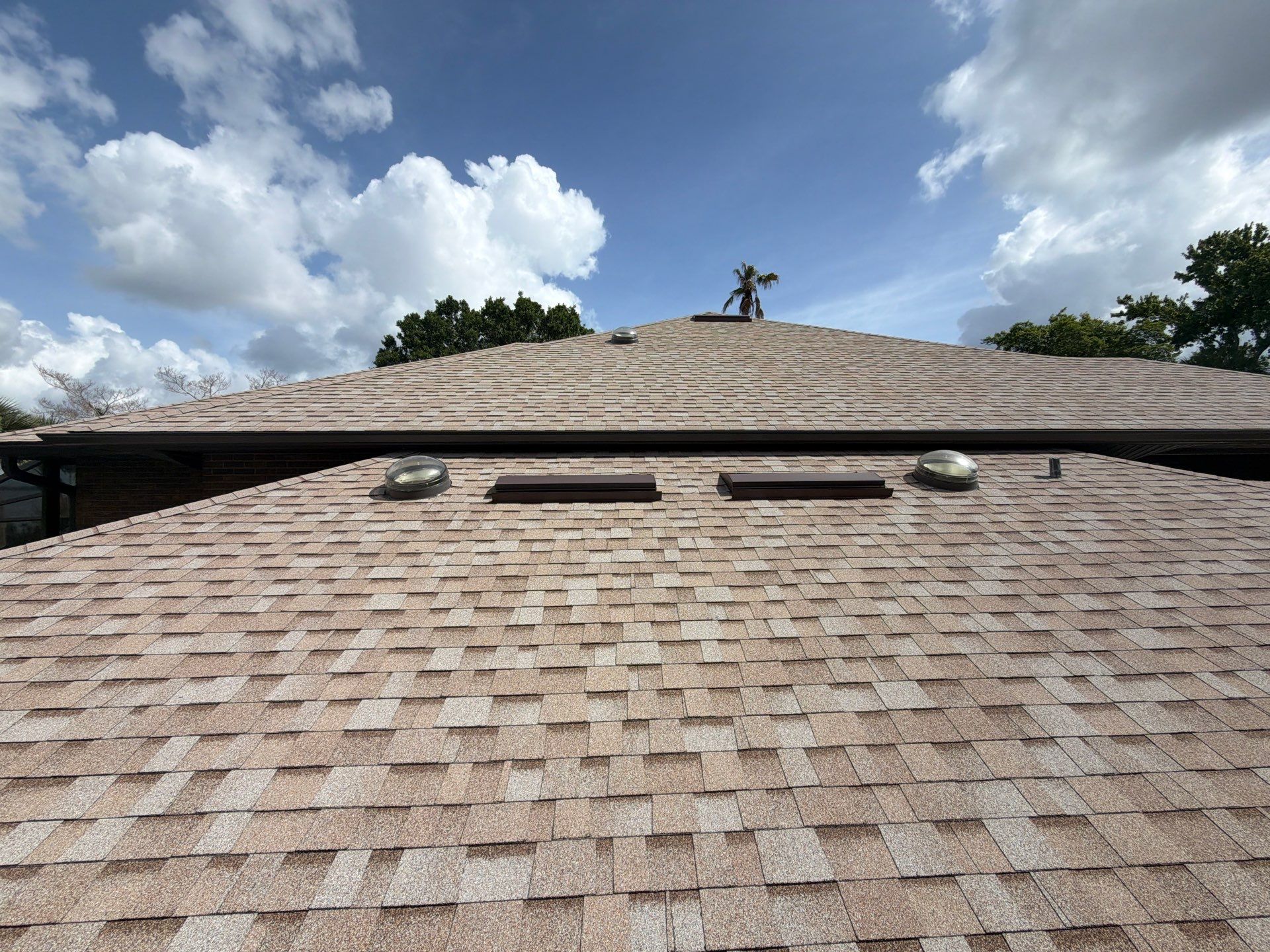
The main types of roofing materials for Florida homes are asphalt shingles, metal (standing seam, exposed-fastener, and stone-coated steel), concrete tile, clay tile, synthetic shingles, and flat-roof membranes like TPO. For most homes in Palm Bay and Brevard County, architectural shingles cost the least. Standing seam metal handles wind best and lasts longest. Tile suits homes framed to carry its weight.
We’re a roofing contractor in Brevard County, and we’ve been roofing Florida homes since 1980. We install shingle, metal, tile, and flat roofs, so we have no favorite to sell you. What matters is that the roof fits your house, your budget, and how long you plan to live there.
This guide covers what each material costs across Brevard County, how long it really lasts in our climate, how it handles wind and salt air, and what the 2026 insurance and building code changes mean for your choice.
Quick Picks: The Best Roofing Material for Each Situation
- Best value: architectural asphalt shingles rated for 130 to 150 mph winds.
- Best hurricane performance: standing seam metal.
- Longest life: clay tile, if your roof framing can carry it.
- Best near salt water: aluminum standing seam with corrosion-rated fasteners.
- Tile look without tile weight: stone-coated steel.
- Flat or low-slope sections (lanai, Florida room, addition): TPO or modified bitumen.
- Selling within about 5 years: architectural shingles. You won’t stay long enough to get back what metal or tile costs.
Florida Roofing Materials compared
Here is how the main roofing materials compare in Brevard County, using 2026 installed prices (materials, labor, and code-required fastening):
| Material | Lifespan in Florida | Installed cost per sq ft (Brevard, 2026) | Wind performance | Weight | Best for |
| 3-tab shingles | 12 to 15 years | $4.00 to $6.50 | Meets the code minimum | Light | Rentals, very tight budgets |
| Architectural shingles | 15 to 20 years | $5.50 to $9.00 | Good; many lines rated to 150 mph | Light | Most homes, and anyone selling soon |
| Exposed-fastener metal | 30 to 50 years | $8.00 to $12.00 | Very good | Light | Budget metal, barns, workshops |
| Standing seam metal | 40 to 70 years | $12.00 to $18.00+ | Best available | Light | Long-term owners, homes near the water |
| Stone-coated steel | 40 to 50+ years | $10.00 to $16.00 | Very good | Light | Tile or shake look without the weight |
| Concrete tile | 40 to 75 years (tile only) | $10.00 to $16.00 | Very good when attached correctly | Heavy | Mediterranean-style homes built for tile |
| Clay tile | 50 to 100 years (tile only) | $12.00 to $20.00 | Very good when attached correctly | Heavy | Premium homes wanting the longest life |
| Synthetic shingles | 30 to 50 years (maker’s claim) | Varies by product | Good to very good | Light | Slate or shake look, impact resistance |
| TPO or modified bitumen | 15 to 25 years | Varies by roof | Adequate for low slopes | Light | Lanais, Florida rooms, additions |
Look at cost per year. On a typical 2,000 sq ft roof, architectural shingles work out to about $725 a year of service. Standing seam metal comes to about $600 a year, and concrete tile about $475. The cheapest roof to install is often not the cheapest to own. That’s only true if you stay long enough to use those extra years.
For a full price breakdown, see what a new roof costs in Palm Bay. To see what these materials look like on real homes, browse our before-and-after roofing portfolio of Brevard County jobs.
What Does Florida’s Climate Do to a Roof?
Florida attacks a roof five ways at once: sun, humidity, heavy rain, wind, and salt. That’s why a shingle rated for 25 to 30 years up north often gives you 15 to 20 here.
- Sun and heat. UV breaks down asphalt. Daily heating and cooling cracks seal strips and fades colors.
- Humidity. Algae grows on shingles and porous concrete tile. It leaves black streaks and eats away at the surface.
- Heavy rain. Afternoon storms dump inches of rain in an hour. Every flashing, valley, and pipe boot gets tested.
- Wind. Hurricanes and strong thunderstorms lift roof edges. They also drive rain sideways under anything loose.
- Salt air. On the Space Coast, it comes from two directions: the Atlantic and the Indian River Lagoon. Salt corrodes metal and fasteners, and fasteners usually give out first.
We see the material as only one layer of the roof. In a storm, the roof works as a system. It includes how the deck is nailed down, the waterproof layer under the covering, the covering itself, the metal at the edges, and the fasteners holding it all.
That’s why we tear every roof off down to the wood deck. We re-nail the deck every 6 inches with 8d ring-shank nails. Then we cover the entire deck with self-adhered peel-and-stick underlayment. We’ve done that for more than 15 years, since before the state required it. Even great material fails on a weak system.
1. Asphalt Shingles
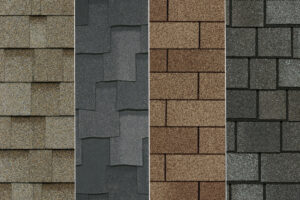
Asphalt shingles are fiberglass mats coated in asphalt and topped with mineral granules. They’re still the most common roof in Palm Bay and Melbourne, because they’re the least expensive way to get a code-compliant roof.
3-Tab vs Architectural vs Designer Shingles
- 3-tab shingles are thin, flat, and uniform. They meet the wind minimum, but we don’t like them on coastal homes.
- Architectural (dimensional) shingles are laminated in layers, so they’re thicker, look better, and are more wind-resistant. We put these on most Brevard homes.
- Designer shingles are heavier architectural shingles made to look like slate or cedar shake. We install lines like Owens Corning’s designer shingles when a homeowner wants that look without the upkeep.
How Long Do Shingles Last in Florida?
Plan on 15 to 20 years for architectural shingles in Brevard County. Expect the low end if your roof bakes in full afternoon sun with no shade. If yours is past 12 years old, it’s time to start planning a roof replacement.
Does the Wind Rating on the Bundle Protect You?
Only if the shingles are installed the way that rating was tested. A shingle rated for 130 or 150 mph still needs:
- the correct 6-nail pattern
- a properly nailed deck
- sealed edges
- good underlayment
Skip any one of those and the rating on the wrapper means very little. This is the most common gap we see between two quotes that look the same on paper.
What Are the Black Streaks on Asphalt Shingles?
Those streaks are algae, and our humidity feeds it. We install Atlas shingles with 3M Scotchgard protection. They use copper-infused granules that resist the streaks that make a roof look old after a few years.
Facts to Know about Asphalt Shingles in 2026
- Prices went up. Atlas raised prices on shingles, underlayment, and ventilation 5 to 8 percent in April 2026 and again in May. Other major brands followed. A shingle quote from last year is probably stale.
- Coatings get stricter. Starting Dec. 31, 2026, the Florida Building Code requires any coating sprayed over existing shingles to follow the shingle maker’s approved instructions. A coating is not a new roof. Done wrong, it can void the shingle warranty you already paid for.
Best for: most homes, tighter budgets, and owners planning to sell within about 5 to 10 years.
Skip if: you want this to be your last roof, or you’re right on the water and want the most wind protection available.
2. Metal Roofing
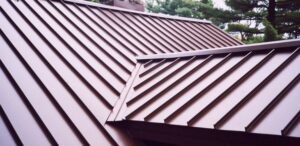
Metal roofing is steel or aluminum panels or shingles fastened to the roof deck. It’s the best-performing roof you can put on a Florida home in wind, and it lasts two to three times as long as shingles. It also costs about two to three times as much up front.
Standing Seam Metal Roofing
Standing seam panels run in one piece from the eave to the ridge. They lock together at raised seams, and hidden clips hold them to the deck, so no screws poke through the surface. With no horizontal seams for wind to get under, this is the strongest wind performer on the market. It’s also the one that holds up best near salt water when you choose aluminum.
Exposed-Fastener Metal (5V crimp, R-panel) Roofing
These panels are screwed straight through the face into the deck. They cost less and still handle wind well. The catch is the screws: their rubber washers dry out in our sun. Plan on checking and replacing fasteners every 10 to 15 years. It’s a great fit for barns, workshops, and budget-minded homeowners who don’t mind that upkeep.
Stone-Coated Steel Roofing
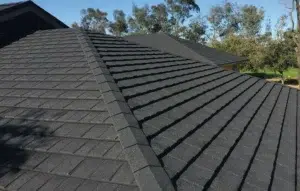
Stone-coated steel is steel pressed into the shape of tile or shake, then coated with stone granules. We install Tilcor’s Antica, which has the curves of a Spanish tile with concealed fasteners. You get the Mediterranean look without the weight or the cracked tiles.
Steel or Aluminum Near Salt Water?
Galvalume-coated steel is a good choice inland. If you’re close to the ocean, go with aluminum, which doesn’t rust.
Also watch the fasteners. Near the beach, different metals touching each other can cause corrosion (electrolysis) that eats fasteners over time. That’s why we use stainless fasteners on coastal jobs.
Our Gulf Coast metal roofs come in standing seam and 5V profiles in steel and aluminum. They carry a 50-year OceanGuard warranty that covers homes up to 300 feet from the ocean.
Are Metal Roofs Loud or Hot?
Neither, when they’re installed right. A residential metal roof here goes over a solid wood deck and underlayment, not open rafters like an old barn. Rain sounds about like it does on shingles.
Metal also reflects more of the sun’s heat than a dark shingle, which helps keep the attic cooler. How much that saves on your power bill depends on your insulation and ventilation, so be wary of anyone promising a specific percentage.
Facts to Know about Metal Roofs in 2026
- Metal got more expensive than shingles. Steel and aluminum tariffs reached 50 percent in mid-2025. The Associated General Contractors reported aluminum mill shapes up 33 percent and steel mill products up 20.7 percent year over year in January 2026. The gap between metal and shingle prices is wider than it was two years ago.
- Fastener rules near saltwater get stricter. From Dec. 31, 2026, roofing screws within 300 feet of saltwater, and nails within 3,000 feet, must meet the code’s stricter corrosion standards.
Best for: Owners staying 15 years or more, homes near the ocean or the lagoon, and anyone who wants the strongest roof available.
Skip if: You’re selling in the next few years, or your HOA won’t approve it. That second point is less of a barrier than it used to be; see the Palm Bay section below.
3. Tile Roofing: Concrete vs Clay
Tile roofs are made of individual concrete or fired-clay tiles fastened or adhered over a waterproof underlayment. The tiles themselves last for decades and hold up to sun, rot, and insects. The catch is weight, fragility underfoot, and the waterproof layer hidden beneath them.
Concrete Tile
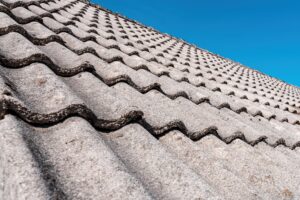
Concrete tile gives you the classic Florida tile look for less than clay. It’s thick, so it heats up slowly and handles wind well when it’s attached correctly. It’s also porous, so it soaks up moisture and grows mold and algae. Expect to clean it every few years, and the surface color can fade.
Clay Tile
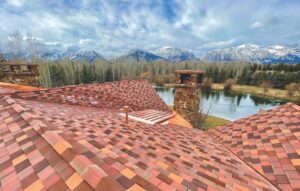
Clay tile is baked earth, so it doesn’t rot, rust, or fade much, even in full sun and salt air. It’s the longest-lasting roof covering in Florida, and the most expensive of the common options. It’s also brittle: a misplaced step by a pressure washer or a satellite installer can crack it.
The Tile Outlives Its Underlayment
This is the part most homeowners don’t hear. On a tile roof, the tiles shed most of the water, but the underlayment beneath them is what actually keeps your house dry. The tiles can last 50 years or more. The underlayment usually won’t last that long.
When it wears out, the fix means lifting the tiles, replacing the underlayment, and relaying them. Budget for that down the road, and have the underlayment checked on any older tile roof you’re buying.
Is Tile Too Heavy For My House?
It might be. Tile is several times heavier than shingles or metal, and many Brevard homes weren’t framed for that load.
If you’re switching from shingles to tile, you need to check the roof structure before anyone quotes the job. Reinforcement can add real cost. We’ve also gone the other direction: on a Melbourne Beach home, we replaced a worn tile roof with shingles and saved the owner the cost of new tile.
Cracked tiles are the most common tile repair we see. Our guide to roof repair costs in Palm Bay shows what typical fixes run.
Facts to Know about Tile Roofs in 2026
The 9th Edition code moves tile attachment toward performance-based standards. Its uplift tables cover winds up to 175 mph across different slopes and exposures. In plain terms, a tile roof near the water may need a stronger attachment schedule than an identical roof inland.
Best for: Mediterranean and Spanish-style homes built for tile, and owners who want the longest-lived covering.
Skip if: your framing wasn’t built for the weight, or you don’t want to budget for cleaning and a future underlayment replacement. In that case, look at stone-coated steel.
4. Synthetic and Composite Shingles
Synthetic (composite) shingles are molded from polymers and recycled materials to look like slate, cedar shake, or barrel tile. They’re light, resist impact from hail and debris, and don’t rot. Makers claim 30 to 50 years of life.
The drawbacks are price and track record. Synthetics cost about as much as premium metal or tile, and fewer local crews install them. They also haven’t been on Florida roofs as long as tile or metal.
Be careful with wind ratings. Some brands advertise lab ratings above 200 mph. Treat those as the maker’s test results, not a promise about your roof. Ask for the product’s Florida Product Approval number and confirm it covers your roof’s design wind speed.
Best for: homeowners who want the look of slate or shake without the weight or maintenance.
Skip if: you’d rather pay the same money for standing seam metal, which has a longer track record here.
5. Flat and Low-Slope Roofs: TPO, Modified Bitumen, and Coatings
Shingles and tile need slope to shed water, so flat and low-slope sections need a membrane instead. On Brevard homes, that usually means a lanai, a Florida room, a carport, or an addition tied into the main roof.
- TPO is a white single-ply membrane with heat-welded seams. It reflects heat well and seals tightly, but branches and debris can puncture it.
- Modified bitumen is a tougher, multi-layer asphalt-based sheet. It handles foot traffic and falling limbs better.
- Roof coatings can extend the life of a sound membrane. They don’t fix a failed one. Our crew is trained on Karnak coating systems.
Weak spots on flat roofs include drainage and anything sitting on or passing through the roof. One recent job is a good example. A homeowner had a ceiling leak that several repairs couldn’t stop. The problem was the roof under a rooftop AC unit. We removed the unit, replaced the roof and the rotted wood beneath it, and the leak stopped for good.
We also install flat and metal roofs on strip centers, condos, and townhomes. See our commercial roofing services.
Materials that Rarely Make Sense in Brevard County
- Slate – It’s beautiful and can last a century, but it runs $18 to $30+ per sq ft and is heavier than tile. Most homes here would need major structural work to carry it. Standing seam or synthetic slate gets you close for far less.
- Cedar shake – Humidity, rot, insects, and fire risk make real wood a high-upkeep roof in Florida. If you love the look, designer shingles or stone-coated steel shake are the practical choice.
- 3-tab shingles – They’re the cheapest option, and they meet code. But their thin tabs are the first thing we see peeled off after a storm. If your budget is asphalt, spend a little more for architectural.
Which Roofing Material is Best for Hurricanes in Florida?
Standing seam metal is the best roofing material for hurricanes, followed by well-attached tile and 150 mph-rated architectural shingles. But installation decides more than the material does. A standing seam roof on a poorly nailed deck can still fail, and a well-built shingle roof can ride out a strong storm.
Your Address Sets the Wind Speed Your Roof Must Handle
Every Florida roof is designed for a wind speed tied to its location, how exposed it is, and how close it sits to the coast. In Brevard County, that’s roughly 130 to 150 mph, depending on where you live. You can look up your address on Brevard County’s wind speed maps.
Ask your roofer what wind rating the finished system will meet.
What Does a Storm Test?
- Deck attachment. If the plywood lifts, everything on top of it goes too.
- The sealed deck. When the covering blows off, the underlayment is all that keeps water out.
- Roof-to-wall connections. Straps and clips tie the roof frame to your walls. Since 2025, Florida lets roofing contractors evaluate and upgrade these connections during a re-roof.
- Roof shape. Hip roofs slope on all four sides and hold up better than gables. They also need hurricane connectors around the whole eave, while gables need them in specific spots.
- Edges. Wind grabs the eaves and rakes first. Drip edge and edge fastening matter.
What 2004 Taught Us About Florida Roofing Materials
During the 2004 hurricanes, we saw many Brevard homes lose their shingles and felt paper. Water then poured in through the plywood joints until ceilings came down. The shingles weren’t the whole failure; the missing waterproof layer was. That’s why we cover the entire deck with peel-and-stick underlayment on every roof, whatever the material on top.
Don’t Read Too Much Into a Quiet Season
The 2026 Atlantic season reached Sept. 21 without a single hurricane, the first time in 112 years. The same El Niño pattern that suppressed hurricanes is expected to bring Florida a stormy winter, with severe weather risk peaking in December and February. A calm fall is a good time to replace a roof.
How Does Roofing Material Affect Florida Home Insurance?
Your roof material affects insurance in three ways: how long the roof stays “young” in your insurer’s eyes, which wind mitigation credits you qualify for, and how much a claim pays on an older roof. A longer-lasting, well-attached roof helps on all three.
The 15-Year Roof Rule, Explained Correctly
A lot of what you read online overstates this rule. Under Florida law:
- An insurer can’t refuse or non-renew a homeowners policy just because the roof is less than 15 years old.
- Once the roof is 15 or older, the insurer must let you get an inspection by an authorized inspector before demanding a replacement.
- If that inspection shows at least 5 years of useful life left, the insurer can’t refuse coverage based on roof age alone.
Since 2024, licensed roofing contractors can serve as those authorized inspectors. An aging shingle roof hits the 15-year mark on schedule. A metal or tile roof in good shape will usually pass the inspection much longer.
The 2026 Change Most Homeowners Missed: ACV Roof Coverage
On March 18, 2026, the federal housing agency announced that Fannie Mae and Freddie Mac will accept homeowners policies that cover the roof at actual cash value (ACV). That means what the roof is worth today, not what it costs to replace. The rest of the house still needs replacement cost coverage.
ACV policies usually cost less, but they pay less on an older roof. A shingle roof loses value faster than a metal or tile roof of the same age. If your policy is ACV on the roof, a longer-lived material protects you more. Check your declarations page for roof payment wording.
Wind Mitigation Credits
A wind mitigation inspection can lower your premium based on:
- the roof covering and whether it meets current code
- how the deck is attached
- how the roof is tied to the walls
- whether there’s a secondary water barrier (sealed deck)
- the roof shape (hip roofs score better than gables)
Most of those credits come from how the roof is built. We document deck nailing, underlayment, and straps with photos on every job so your inspector has proof.
My Safe Florida Home Grants
The state’s My Safe Florida Home program can pay up to $10,000 toward hurricane upgrades, at $2 for every $1 you put in. A 2026 law clarified that replacing the roof covering is grant-eligible when it’s part of a recommended improvement. You need a free wind mitigation inspection first, and the home must be your homesteaded primary residence.
What the 2026 Florida Building Code Changes for Each Material
The 9th Edition of the Florida Building Code takes effect Dec. 31, 2026. The date you file your permit application determines which edition applies to your roof. Design wind speeds are not changing, since the new code keeps the same wind standard. What changes are the details:
| Material | What changes | Code section |
| Asphalt shingles | Coatings over existing shingles must follow the shingle maker’s approved instructions | 1507.2.10 |
| All steep-slope roofs (2:12 and up) | Drip edge required at gables as well as eaves | 1507.3.9.1 |
| Metal and any screw-fastened roof | Screws within 300 ft of saltwater must meet stricter corrosion standards | 1506.6 |
| Any nailed roof | Nails within 3,000 ft of saltwater must meet stricter corrosion standards | 1506.5 |
| Concrete and clay tile | Performance-based uplift tables for winds up to 175 mph | RAS 127 |
| Re-roofs over sound layers | More defined cases where an intact, compliant layer can stay in place | 706.3 (Existing Building) |
The gable drip edge rule is a small line item that prevents a common Florida failure: wind-driven rain rotting the rake fascia. If your fascia is already soft, our soffit, fascia, and exterior renovation service can fix it during the re-roof.
Our honest advice:
- If your roof is failing now, permit it now. Don’t wait for a code date.
- If your roof is healthy, don’t let anyone use Dec. 31 as a reason to sell you one. A roof with years left should finish its life.
Choosing a Roof in Palm Bay, Melbourne, Grant-Valkaria and Brevard County
The right material in Brevard depends heavily on where the house sits. A block ranch in inland Palm Bay, a waterfront home in Melbourne and a rural lot in Grant-Valkaria face different conditions.
What Applies Across Brevard County
- Product approval. Brevard is in a wind-borne debris region, but not in the High Velocity Hurricane Zone, which covers only Miami-Dade and Broward. Your roof products need a Florida Product Approval number. A Miami-Dade NOA isn’t required here, though some products carry both.
- Permits. Every re-roof needs a permit and inspections. Depending on your address, that’s through Brevard County, the City of Palm Bay, or the City of Melbourne. Your roofer should pull the permit under their own license.
- Hail is real here. We still get hail from strong thunderstorms, including the May 2025 storms that hit parts of Brevard. Impact-resistant shingles, metal, and stone-coated steel handle it best.
Palm Bay
Many Palm Bay homes are concrete-block homes built from the 1980s through the 2000s. Many are now on their second or third roof, which is right when the 15-year insurance question comes up.
On block homes, hurricane straps tie the roof down into the block walls; wood-framed additions use clips. For most Palm Bay homeowners, architectural shingles or standing seam metal are the practical choices. Tile only makes sense after a structural check.
If you live in a newer HOA community and want metal, know your rights. Since 2024, Florida HOAs can’t deny hurricane protection, including certain roof systems recognized by the building code, when you follow the association’s written specifications. Ask your HOA for its hurricane protection specifications first.
Melbourne
Melbourne ranges from older neighborhoods with cut-up roofs (lots of valleys and dormers) to waterfront homes along the Indian River Lagoon. Complex roofs favor shingles or standing seam, which handle valleys better than tile.
On the water, and across the causeways in Melbourne Beach, Indialantic and Satellite Beach, salt drives the choice. That means aluminum over steel, stainless or corrosion-rated fasteners, and extra attention to flashing.
Grant-Valkaria
Grant-Valkaria’s larger, open lots mean less wind shelter than a packed subdivision. That makes deck attachment and edge detailing even more important. Many properties also have barns and workshops, where exposed-fastener metal is an economical, long-lasting choice for the outbuildings.
A Note on the Indian River Lagoon
The lagoon is brackish, but salt still reaches roofs along the shore. We advise that if your home is close enough to the lagoon to see or smell it, choose your metal and fasteners as if you lived near the beach. The small extra cost is far cheaper than fasteners that rust out halfway through the roof’s life.
How to Choose the Right Roofing Material for Your Home
Start with how long you’ll own the house. That one question settles more roof decisions than any spec sheet.
| If this describes you | Lean toward | Why |
| Selling within about 5 years | Architectural shingles | You won’t recover the premium for metal or tile |
| Staying 15+ years | Standing seam metal | One roof instead of two or three shingle roofs |
| Near the ocean or the lagoon | Aluminum standing seam | No rust, and top wind performance |
| Love the tile look, framing not built for tile | Stone-coated steel | Tile shape at a fraction of the weight |
| House built for tile, want the longest life | Clay or concrete tile | Decades of life, with the underlayment planned for |
| Tight budget, roof failing now | Architectural shingles | Lowest cost that still meets code properly |
| Planning solar | Standing seam metal | Panels clamp to the seams without drilling through the roof |
| Flat lanai or addition | TPO or modified bitumen | Built for low slopes |
Not sure your roof needs replacing yet? Start with the signs you need a new roof. Sometimes an honest repair buys you several more years.
Not Sure Which Material Fits Your Home?
We’ll inspect your roof and show you what we find in photos. Then we’ll give you a straight recommendation: repair or replace, and which material makes sense for your house and budget. If your fascia or siding is due too, we can handle both, from wood rot repair to premium vinyl siding.
Contact us or call Michael directly at 321-914-3360 for a free estimate. We serve Palm Bay, Melbourne, Grant-Valkaria, and all of Brevard County.
Frequently Asked Questions
What Is the Best Roofing Material for Florida homes?
Standing seam metal is the best overall roofing material for Florida homes because of its wind resistance and lifespan. Architectural shingles are the best value. The right choice depends on how long you’ll stay, how close you are to salt water, and whether your framing can carry tile.
What Is the Best Roof for Hurricanes in Florida?
Standing seam metal, installed over a properly nailed and sealed deck with solid roof-to-wall connections. How the roof is built matters as much as the material. A well-installed shingle or tile roof beats a poorly installed metal one.
Are Tile Roofs Too Heavy For My House?
They can be. Tile weighs several times more than shingles or metal, and many Brevard homes weren’t framed for it. Get a structural check before any tile quote. Stone-coated steel gives you the look without the load.
Does My Roofing Material Affect My Homeowners Insurance?
Yes. Wind mitigation credits depend on the roof covering, deck attachment, roof-to-wall connections, secondary water barrier, and roof shape. If your policy covers the roof at actual cash value, a longer-lasting material holds its value and pays out more after a claim.
What’s the Cheapest Roof That Meets Florida Code?
Architectural asphalt shingles, installed with the required 6-nail pattern, deck nailing, and underlayment. 3-tab shingles cost slightly less, but they hold up worse in wind.
Can I Put a New Roof Over My Old One?
We don’t, and we don’t recommend it. Tearing off to the deck is the only way to find rotted wood, re-nail the deck to code, and install a full waterproof layer. Home inspectors also flag roof-overs when you sell.
What’s Changing for Florida Roofs in 2026?
From Dec. 31, 2026, the 9th Edition code brings:
- stricter fastener rules near saltwater
- drip edge at gables
- rules for coating existing shingles
- new tile uplift standards
Design wind speeds stay the same. Your permit application date decides which code applies.

