3 Great Reasons For A Flat Roof Conversion
The 3 Great Reasons For A Flat Roof Conversion: One of the first things you need to consider before converting your flat roof into a pitched roof is the reasoning behind the transformation. Why would you want to change your flat roof?
1. Are you fatigued by persistent issues associated with flat roofs? Like water leaks? Whether it pertains to frequent repairs or concerns regarding durability.
2. Is the roof beneath the flat roof always warm or harder to cool? Do you think your electric costs are higher because the air conditioner is trying to cool that part of the house under a flat roof?
3. Or, you’re more concerned with aesthetics? You want your home not to look as though it were built years ago, when flat roofs were considered a cost-saving roof style.
Confused about which 3 Great Reasons For A Flat Roof Conversion? Please don’t worry- many others share your experience. Numerous individuals have opted for this solution, seeking a sustainable and reliable option. This article explores the process of transitioning from a flat to a pitched roof and highlights the benefits.
Flat Roof vs Pitched Roof
Reasons To Change To A Pitch Roof
Switching from a flat roof to a pitched roof offers clear benefits. Better drainage reduces water pooling and leaks common with flat roofs, greatly extending their lifespan. Pitched roofs also provide superior insulation, increasing your home’s energy efficiency. This results in lower heating costs during winter and cooler indoor temperatures in the summer.
Additionally, homes with pitched roofs typically hold a higher market value due to their appealing appearance and assumed durability. For those considering replacing their flat roof with a pitched one, these advantages clearly demonstrate why it’s a smart upgrade. Next, we will examine the drawbacks of maintaining a flat roof and why this decision might be crucial for your property.
Reasons For Keeping a Flat Roof
Many homeowners view flat roofs as an affordable and practical option. However, it’s essential to be aware of some challenges that may arise over time. For example, water can pool on flat surfaces because it doesn’t naturally run off like on pitched roofs. Standing water can sometimes cause leaks or structural problems if not addressed promptly. Additionally, flat roofs require a bit more maintenance because they’re more exposed to the weather. The sun’s rays can degrade the roofing material faster, making regular inspections and repairs necessary.
They generally last about 10-15 years, which is shorter than the 20-50 years typical for pitched roofs. While replacing or converting a flat roof might seem costly initially, consider it an investment that could save you money on repairs in the long run.
There Are Two Styles Of Pitched Roof To Consider
1. Installing a low-sloped pitched roof.
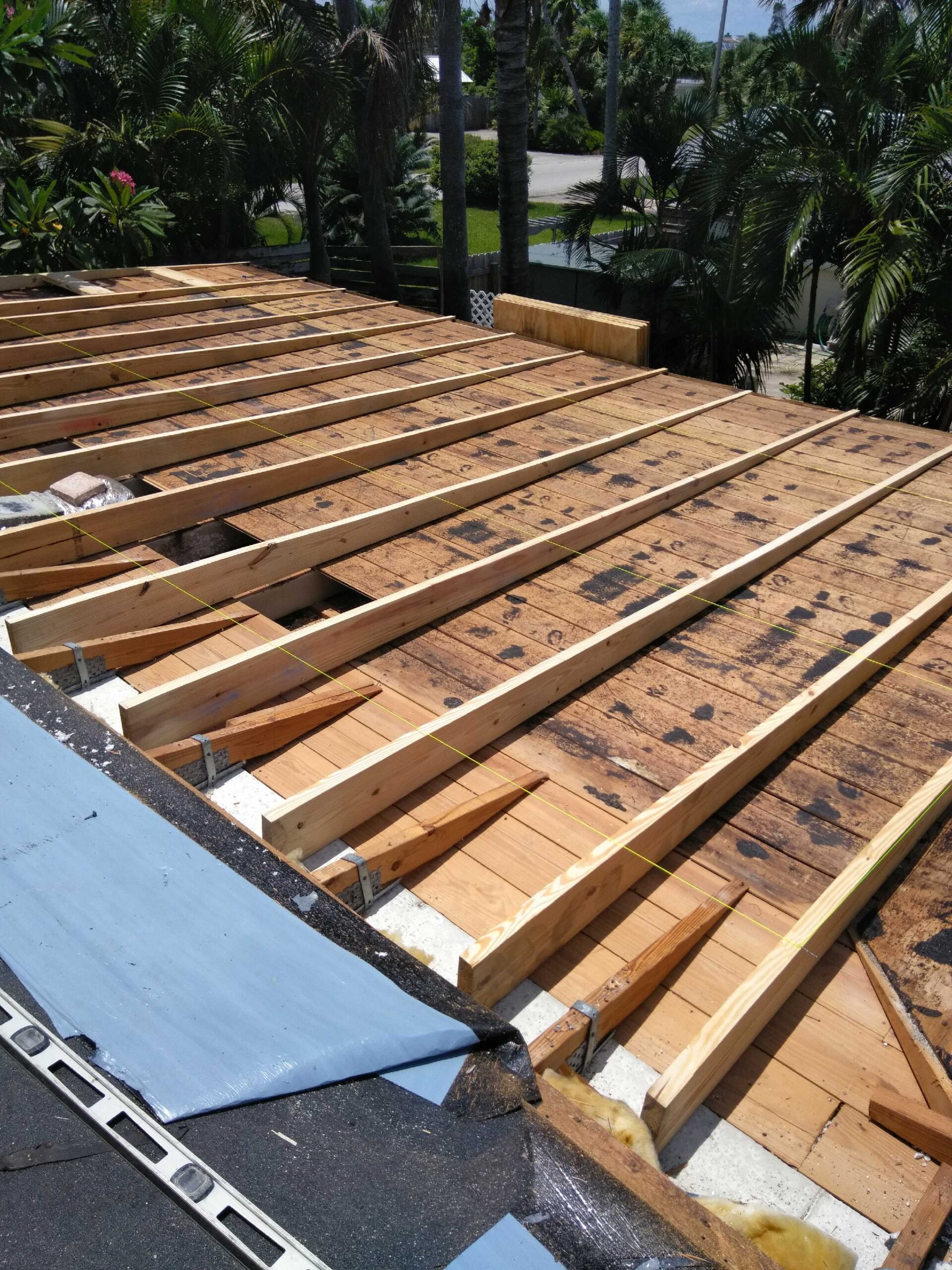
If all you are concerned with is proper water drainage off the roof and eliminating ponding water, then a low-slope roof with a pitch of one or two inches is suitable. This can be achieved by using rafters or sleepers cut at an angle and laid flat on the roof deck. Alternatively, you can install a taper roof system, consisting of ISO board panels that create a slight pitch by their shape, giving a slope to the once-flat roof.
2. Or adding a pitched rafter or truss roof.
If it’s more about the aesthetics or structure you’re concerned with, it may be best to install a rafter-pitched roof instead. This would involve framing or using trusses for a roof pitch that typically matches the pitch of the existing house. Converting your flat roof to a pitched roof can substantially enhance the property’s resilience against adverse weather conditions.
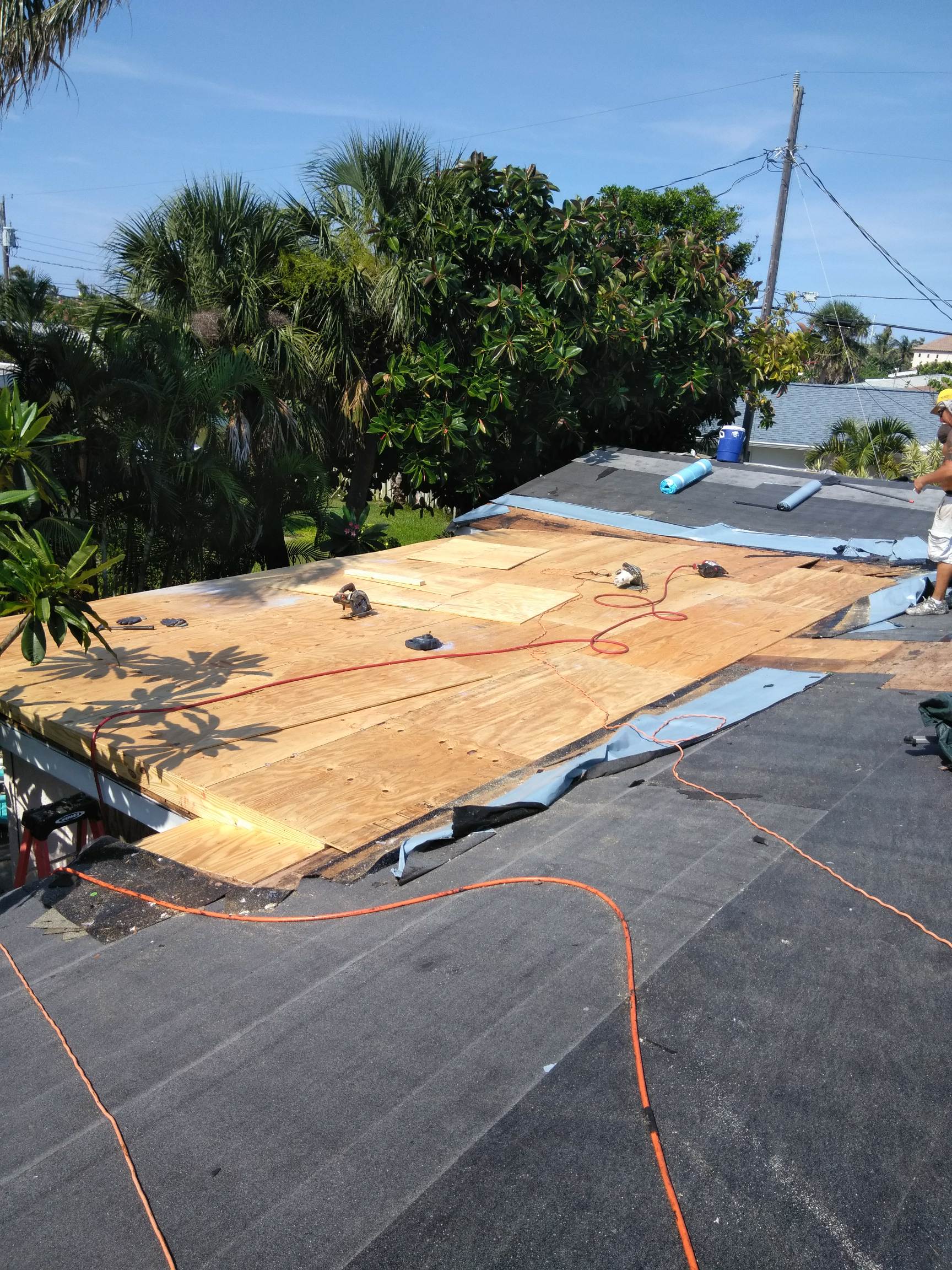
3 Great Reasons For A Flat Roof Conversion Before and After
A flat roof might seem like a practical option for homes, but it has several drawbacks. It is prone to leaks, needs more maintenance than pitched roofs, and is less durable. It also tends to be less visually appealing and can negatively affect property value. As a result, many homeowners opt to replace flat roofs with pitched ones. Selecting the proper roof structure requires considering several key factors.
The size of the current roof, its condition, and the desired pitch are key factors to consider when determining the replacement roof. A pitched roof offers benefits such as improved rainwater drainage and increased attic space, which can boost property value. However, each home requires a tailored approach to install a pitched roof successfully.
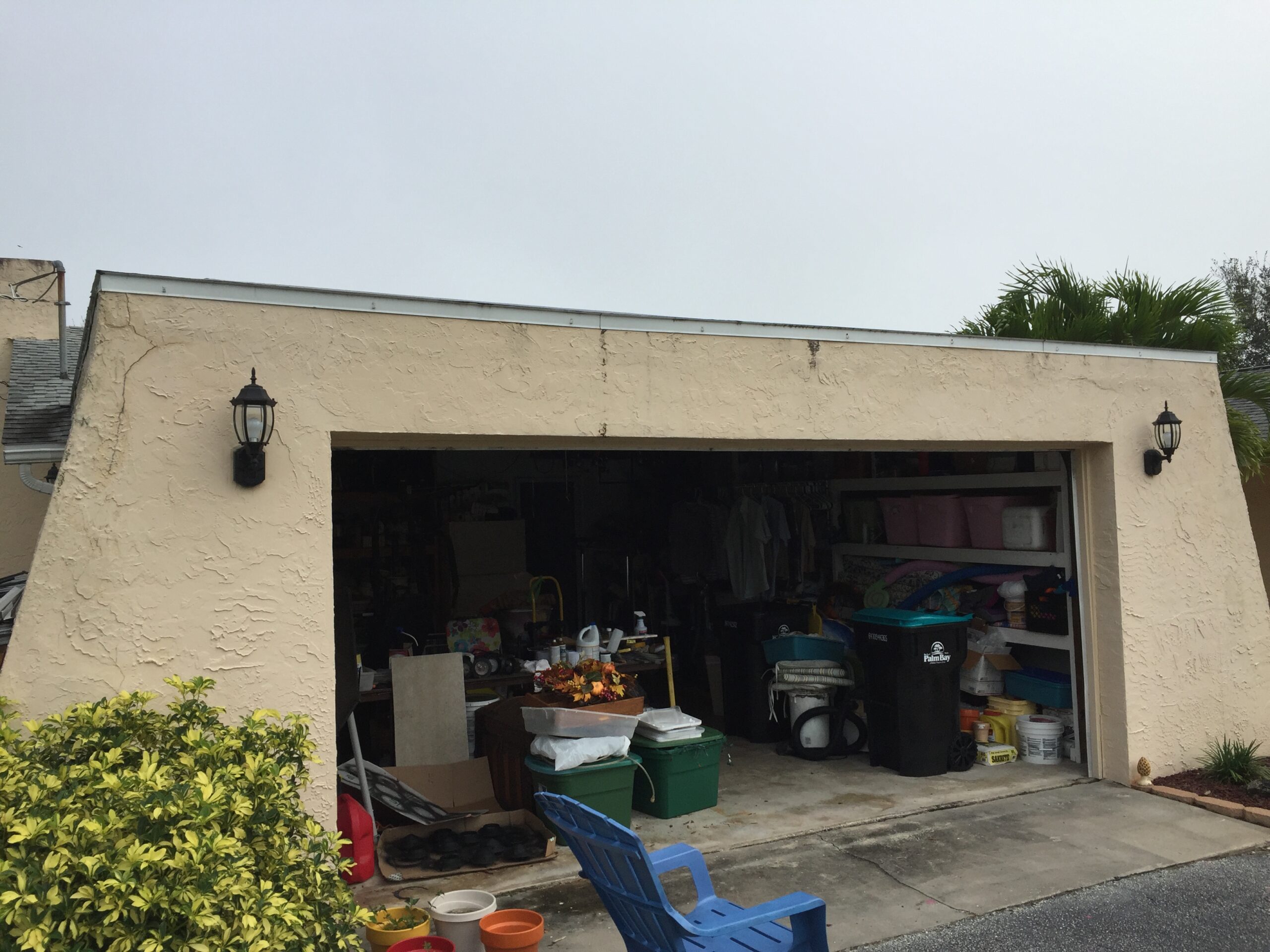
Before the transformation
Before the transformation, the residence featured a flat roof. Flat roofing is generally more facile and cost-effective to construct compared to pitched roofing; however, it presents a range of challenges. Flat roofs require ongoing maintenance to ensure their waterproof integrity, and water pooling can lead to leaks.
Additionally, the absence of a slope hampers the natural removal of debris from the surface, potentially resulting in increased maintenance requirements. Furthermore, flat roofs may influence the aesthetic appeal of a property, as they embody a modern and minimalist design that may not align with all architectural styles. Some homeowners favor pitched roofs for their more traditional appearance.
After the transformation
The transformation from a flat roof to a pitched roof offers several benefits. First, pitched roofs are more durable and can last up to 50 years. Second, they are more aesthetically pleasing and can boost the value of a home. Lastly, pitched roofs are more effective at shedding water and debris, which reduces the need for maintenance.
The process of converting a flat roof to a pitched roof involves multiple steps. First, the old flat roof must be removed. Next, the design of the new pitched roof is created, and the necessary materials are gathered. The new roof is then constructed.
When designing the new pitched roof, the contractor must consider factors like the pitch, type of roofing material, and ventilation. The pitch is important because it affects how quickly water runs off the roof. The choice of roofing material influences both the roof’s durability and appearance. Proper ventilation is crucial in preventing moisture buildup in the attic.
Transforming a flat roof into a pitched one offers many benefits. It can enhance the roof’s durability, increase the property’s value, and decrease maintenance requirements. However, the process can be complex and requires a skilled contractor. It’s essential to weigh all factors carefully before deciding to convert a flat roof to a pitched one.
Conclusion
After reading 3 Great Reasons For A Flat Roof Conversion and selecting a contractor expert for your roofing conversion project, let us now focus on finalizing the details. Transforming a flat roof into a pitched roof is not merely about enhancing the aesthetic appeal of your residence; it is a strategic decision aimed at achieving improved durability and reduced maintenance over time.
Our expertise at Florida Roofing and Renovations indicates that homeowners often observe immediate improvements in their property’s aesthetics and value following such conversions. Installing a pitched roof over your flat surface can significantly minimize issues such as water accumulation and leaks. At Florida Roofing and Renovations, we can help you with the 3 Great Reasons For A Flat Roof Conversion.
Additionally, this modification enables increased insulation and improved ventilation within your home. If you are considering this change, working with professionals who understand every aspect of the process will ensure that your new pitched roof withstands the test of time and meets all necessary regulations. Consequently, it represents a worthwhile investment for any homeowner seeking to enhance their living space.
The benefits of engaging a qualified company in roofing and general contracting, specializing in integrating projects that require multiple trade expertise, are substantial.
At Florida Roofing and Renovations, we are;
Over 30 years of experience in installing roofs and renovations
Licensed as General Contractors and Roof Contractors.
We can offer more than replacing a roof. We can include building a porch, an addition, or exterior house siding as a package for better pricing.
We do not upsell products that are not needed.
Members of the Melbourne and Palm Bay chamber of commerce.
We are an A+ Accredited BBB-sponsored business.
Our Gallery posts feature actual projects, not stock photos.
3 Great Reasons for Flat Roof Conversion

3 Great Reasons for Flat Roof Conversion
Add Pitch To Flat Roof