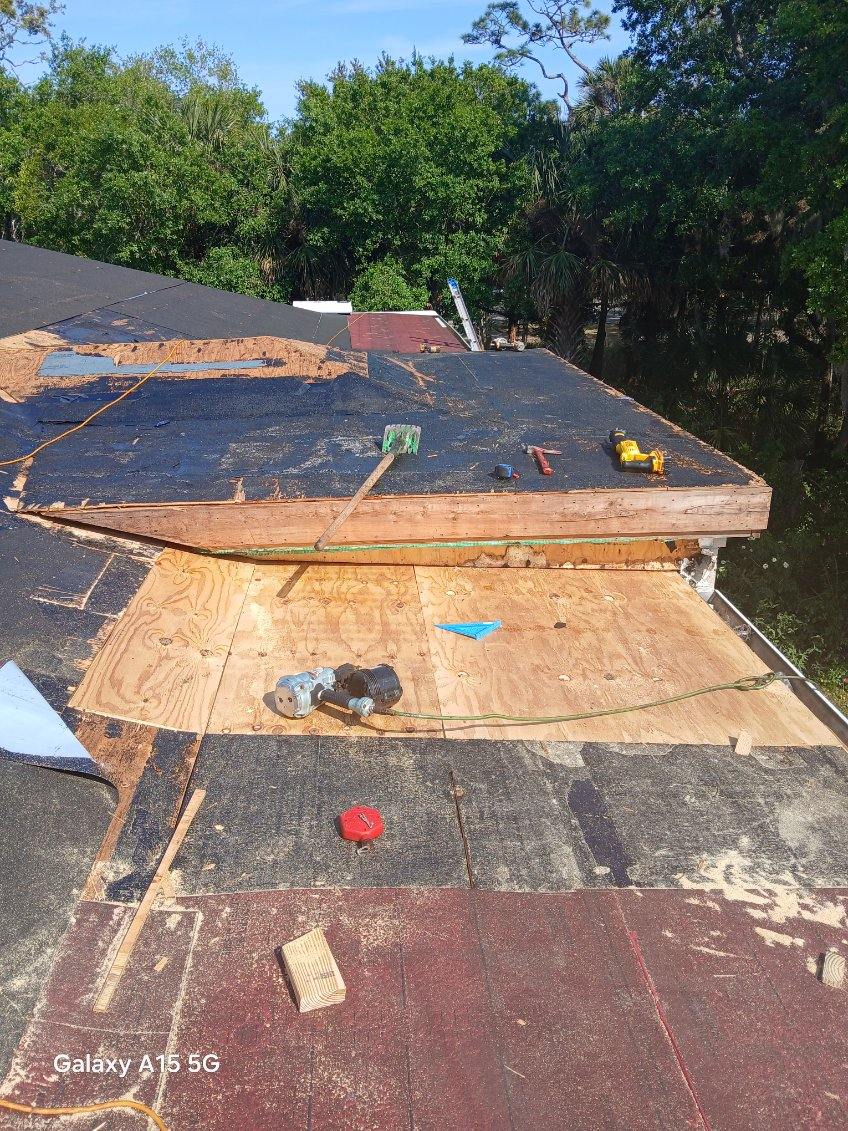
Good Roof Repair vs. Great Roof Replacement: Which Option Will Save You More in the Long Run?
When it comes to maintaining a secure and efficient home, your roof plays a pivotal role—yet it often faces wear and tear from the elements. You might find yourself torn between good roof repair or a great roof replacement, both of which promise significant benefits. But which option will truly save you more in the long run? Choosing merely to patch up minor leaks can seem economical at first, but it may lead to recurring costs and more extensive damage later on. Conversely, investing in a full roof replacement might feel daunting and costly upfront, yet it often translates into enhanced durability, increased home value, and peace of mind. In this article, we’ll delve into the pros and cons of each approach, guiding you through the decision-making process to ensure your home remains a safe haven for years to come. Let’s explore these options to identify the best financial strategy for your roofing needs.
Understanding Roof Repair and Replacement
When discussing the maintenance of your roof, it’s essential to understand the distinction between roof repair and roof replacement. Roof repair involves fixing isolated issues such as leaks, damaged shingles, or minor structural problems. This approach is typically less invasive and less costly upfront, often involving patching, sealing, and replacing small sections of the roof. Repairs can be a practical solution for newer roofs or those in relatively good condition with only minor issues.
In contrast, roof replacement involves removing the existing roof and installing a completely new one. This process is more comprehensive and typically involves a substantial financial investment. A full replacement is usually recommended when the roof has extensive damage, has reached the end of its lifespan, or when repairs are no longer sufficient to ensure the integrity of the structure. While more costly, a new roof can provide enhanced durability, improved energy efficiency, and a fresh aesthetic appeal.
Understanding these fundamental differences is crucial as it sets the stage for making an informed decision about which option might be more suitable for your home. Each approach has its own set of advantages and drawbacks, and the ideal solution often depends on the specific circumstances and condition of your roof. By examining the signs that indicate whether repair or replacement is necessary, you can better assess your roofing needs and make a choice that will ultimately save you money and protect your home in the long run.
Signs You Need Roof Repair vs. Replacement
Identifying the signs that indicate whether your roof needs repair or replacement is the next critical step in the decision-making process. One of the most apparent signs that you may need a repair is the presence of water leaks or stains on your ceilings and walls. These issues often signal that there are small, localized problems such as missing or damaged shingles, which can be effectively addressed through targeted repairs. Similarly, if you notice loose or curling shingles, minor roof damage, or issues around roof fixtures like chimneys and vents, these can typically be resolved with repairs.
On the other hand, certain signs suggest that a full roof replacement may be necessary. For instance, if your roof is over 20-25 years old, it might be nearing the end of its useful life. Extensive shingle damage, such as large areas of missing or cracked shingles, widespread granule loss, or significant sagging in the roof structure, are indicators that the overall integrity of the roof has been compromised. Additionally, if you experience frequent leaks or if previous repairs have only provided temporary relief, it may be time to consider a replacement.
Another critical factor to consider is the presence of mold or algae growth, which can deteriorate roofing materials and compromise the roof’s structural integrity. If these issues are widespread and persistent, a replacement might be the most effective solution. Evaluating these signs carefully can help you determine whether a repair or replacement is the best course of action, ensuring that you address the root cause of the problem and protect your home from further damage.
Cost Analysis: Repairing vs. Replacing Your Roof
When evaluating the financial implications of roof repair versus replacement, it’s essential to conduct a thorough cost analysis. Roof repairs are generally less expensive upfront, with costs varying depending on the extent of the damage and the materials needed. For instance, minor shingle repairs or patching small leaks can cost a few hundred dollars, making repairs an attractive option for homeowners on a budget. However, it’s important to consider that multiple repairs over time can add up, potentially exceeding the cost of a replacement in the long run.
Conversely, roof replacement involves a more significant initial investment, typically ranging from several thousand to tens of thousands of dollars, depending on the roof size, materials used, and labor costs. While this upfront cost might seem daunting, a new roof can provide long-term savings through improved energy efficiency, reduced maintenance needs, and increased home value. Modern roofing materials often offer better insulation and reflectivity, which can lower heating and cooling costs, contributing to overall savings.
Another aspect to consider is the potential for increased home insurance premiums following frequent repairs. Insurers may view a roof that requires constant maintenance as a higher risk, leading to higher premiums. In contrast, a new roof can often result in lower insurance costs due to its enhanced durability and reduced likelihood of damage. By weighing the immediate costs of repairs against the long-term financial benefits of a replacement, homeowners can make a more informed decision that aligns with their budget and future financial goals.
Long-Term Benefits of Roof Repair
Opting for roof repair can offer several long-term benefits, especially if your roof is relatively new and in good condition. One significant advantage is the cost savings associated with addressing minor issues before they escalate into more extensive and costly problems. Timely repairs can extend the lifespan of your existing roof, allowing you to maximize your investment and delay the need for a full replacement. This approach can be particularly beneficial if you’re planning to sell your home in the near future, as it can enhance the property’s appeal without requiring a substantial financial outlay.
Another long-term benefit of roof repair is the preservation of the overall aesthetic of your home. Repairs can be done in a way that seamlessly blends with the existing roof, maintaining its visual integrity and curb appeal. This is especially important for homes with distinctive roofing materials or designs that may be difficult to replicate in a full replacement. By addressing issues such as loose shingles, minor leaks, or damage around fixtures, you can ensure that your roof continues to look its best and protect your home effectively.
Additionally, roof repairs can contribute to the overall energy efficiency of your home. Fixing leaks, sealing gaps, and addressing insulation issues can help prevent heat loss during the winter and keep your home cooler in the summer. This can lead to reduced energy bills and a more comfortable living environment. By investing in regular maintenance and repairs, you can create a proactive approach to roof care that safeguards your home and provides long-term financial benefits.
Long-Term Benefits of Roof Replacement
While roof repairs can offer immediate cost savings and benefits, a complete roof replacement provides its own set of long-term advantages that can make it a worthwhile investment. One of the most significant benefits is the enhanced durability and longevity that a new roof provides. Modern roofing materials are designed to withstand harsh weather conditions, resist damage, and offer improved performance over older materials. This means that a new roof can provide reliable protection for your home for decades, reducing the need for frequent repairs and maintenance.
A new roof can also significantly improve the energy efficiency of your home. Advances in roofing technology have led to the development of materials that offer better insulation and reflectivity, helping to regulate indoor temperatures more effectively. This can result in lower heating and cooling costs, as your HVAC system won’t have to work as hard to maintain a comfortable environment. Over time, these energy savings can offset the initial cost of the roof replacement, providing a solid return on investment.
Another long-term benefit of roof replacement is the potential increase in home value. A new roof is a major selling point for potential buyers, as it represents a significant investment in the property’s upkeep and maintenance. Homes with new roofs often sell for higher prices and spend less time on the market, making a replacement a smart financial decision if you’re planning to sell your home in the future. Additionally, a new roof can enhance the overall aesthetic of your home, boosting its curb appeal and making it more attractive to prospective buyers.
Factors Influencing Your Decision
Several factors can influence the decision between roof repair and roof replacement, and understanding these can help you make the best choice for your specific situation. One of the primary factors is the age of your roof. If your roof is relatively new and in good condition, repairs are often the most practical and cost-effective solution. However, if your roof is nearing the end of its expected lifespan, a replacement may be the more prudent choice to ensure long-term protection and performance.
The extent and nature of the damage are also critical considerations. Minor, localized issues such as a few missing shingles or small leaks can often be effectively addressed through repairs. However, if the damage is extensive, widespread, or indicative of underlying structural problems, a replacement may be necessary to ensure the integrity of your roof and home. Conducting a thorough inspection with a qualified roofing professional can help you assess the condition of your roof and determine the most appropriate course of action.
Your budget and financial goals will also play a significant role in your decision. While repairs are generally less expensive upfront, they may not provide the same long-term value as a replacement. Conversely, while a replacement involves a higher initial cost, it can offer substantial long-term savings through improved energy efficiency, reduced maintenance needs, and increased home value. By carefully evaluating your financial situation, the condition of your roof, and your long-term goals, you can make a decision that best aligns with your needs and priorities.
The Impact of Climate and Weather on Roof Longevity
The climate and weather conditions in your region can have a significant impact on the longevity of your roof and influence the decision between repair and replacement. In areas with extreme weather conditions, such as heavy snowfall, strong winds, or frequent hurricanes, roofs are subjected to greater stress and wear. These conditions can accelerate the deterioration of roofing materials, leading to more frequent repairs and a shorter overall lifespan. In such cases, investing in a roof replacement with durable, weather-resistant materials can provide better long-term protection and reduce the need for ongoing maintenance.
Conversely, in regions with milder climates, roofs may experience less wear and tear, making repairs a more viable option for extending the life of your existing roof. However, even in these areas, it’s essential to consider factors such as UV exposure, which can cause roofing materials to degrade over time. High temperatures and prolonged sun exposure can lead to issues such as cracking, warping, and the breakdown of protective coatings. Regular inspections and timely repairs can help mitigate these effects and ensure that your roof continues to perform effectively.
It’s also important to consider the impact of climate on energy efficiency. In regions with hot climates, reflective roofing materials can help reduce cooling costs by reflecting more sunlight and absorbing less heat. In colder climates, materials that provide better insulation can help retain heat and reduce heating costs. By choosing roofing materials that are well-suited to your local climate, you can enhance the longevity and performance of your roof, whether you opt for repairs or a full replacement.
Choosing the Right Contractor for Your Needs
Selecting the right contractor is a crucial step in ensuring the success of your roof repair or replacement project. A qualified and experienced contractor can provide expert advice, high-quality workmanship, and reliable service, helping you make the most of your investment. When choosing a contractor, it’s essential to conduct thorough research and consider several key factors to ensure you find the best fit for your needs.
First, look for contractors with a solid reputation and a proven track record of successful projects. Check online reviews, ask for references, and consult with friends or neighbors who have had similar work done. A reputable contractor should have positive feedback from previous clients and be willing to provide examples of their work. Additionally, ensure that the contractor is licensed, insured, and bonded, as this provides protection for both you and the contractor in case of accidents or issues during the project.
It’s also important to obtain multiple quotes and compare the scope of work, materials, and pricing. Be wary of contractors who offer significantly lower prices than others, as this can be a red flag for subpar materials or workmanship. A detailed, written estimate should outline the costs, timeline, and specific tasks involved in the project, providing transparency and helping you make an informed decision. By carefully vetting potential contractors and choosing one with the right qualifications, experience, and reputation, you can ensure a successful roof repair or replacement that meets your needs and budget.
Common Misconceptions About Roof Repair and Replacement
There are several common misconceptions about roof repair and replacement that can lead homeowners to make uninformed decisions. One prevalent myth is that roof replacement is always more expensive than repairs. While the initial cost of a replacement is higher, it’s important to consider the long-term savings and benefits, such as improved energy efficiency, reduced maintenance needs, and increased home value. In some cases, multiple repairs can cost more than a one-time replacement.
Another misconception is that all roofing materials are the same and that the choice of material doesn’t significantly affect roof performance. In reality, different materials offer varying levels of durability, energy efficiency, and weather resistance. Choosing the right material for your specific needs and climate can significantly extend your roof’s lifespan and effectiveness. Consulting with a knowledgeable roofing professional can help you understand the options and make an informed choice.
Some homeowners also believe that roof repair is a temporary solution and that a replacement is always necessary for long-term protection. While some situations call for a full replacement, many minor issues can be effectively addressed through repairs, especially when the roof is relatively new and in good condition. Regular maintenance and timely repairs can extend the life of your roof and provide reliable protection for years to come. By debunking these misconceptions and understanding the true benefits and limitations of each approach, homeowners can make more informed decisions about their roofing needs.
Conclusion: Making the Right Choice for Your Home
In conclusion, choosing between good roof repair and excellent roof replacement is an important decision that requires careful evaluation of several factors. Understanding the differences between repairing and replacing, recognizing the signs that indicate which option to choose, and performing a detailed cost analysis are crucial steps in making an informed choice. Both methods have their own benefits, and the best solution depends on your roof’s current condition, your budget, and your long-term objectives. necessary, and
Roof repairs can provide immediate cost savings, extend the lifespan of your existing roof, and maintain your home’s aesthetic appeal. This option is often suitable for newer roofs with minor issues or localized damage. On the other hand, a full roof replacement offers enhanced durability, improved energy efficiency, and increased home value, making it a worthwhile investment for older roofs or those with extensive damage. By considering factors such as your roof’s age, the extent of the damage, and the impact of climate and weather conditions, you can determine the best course of action for your situation.
Choosing the right contractor is also crucial to the success of your roofing project. A qualified and experienced contractor can provide expert advice, high-quality workmanship, and reliable service, ensuring that your roof repair or replacement is completed to the highest standards. By debunking common misconceptions and understanding the true benefits and limitations of each approach, you can make a decision that protects your home, saves you money, and provides peace of mind for years to come.
Contact Us
If you are still unsure whether you need a good roof repair or a great roof replacement, contact us.
We are BBB Members
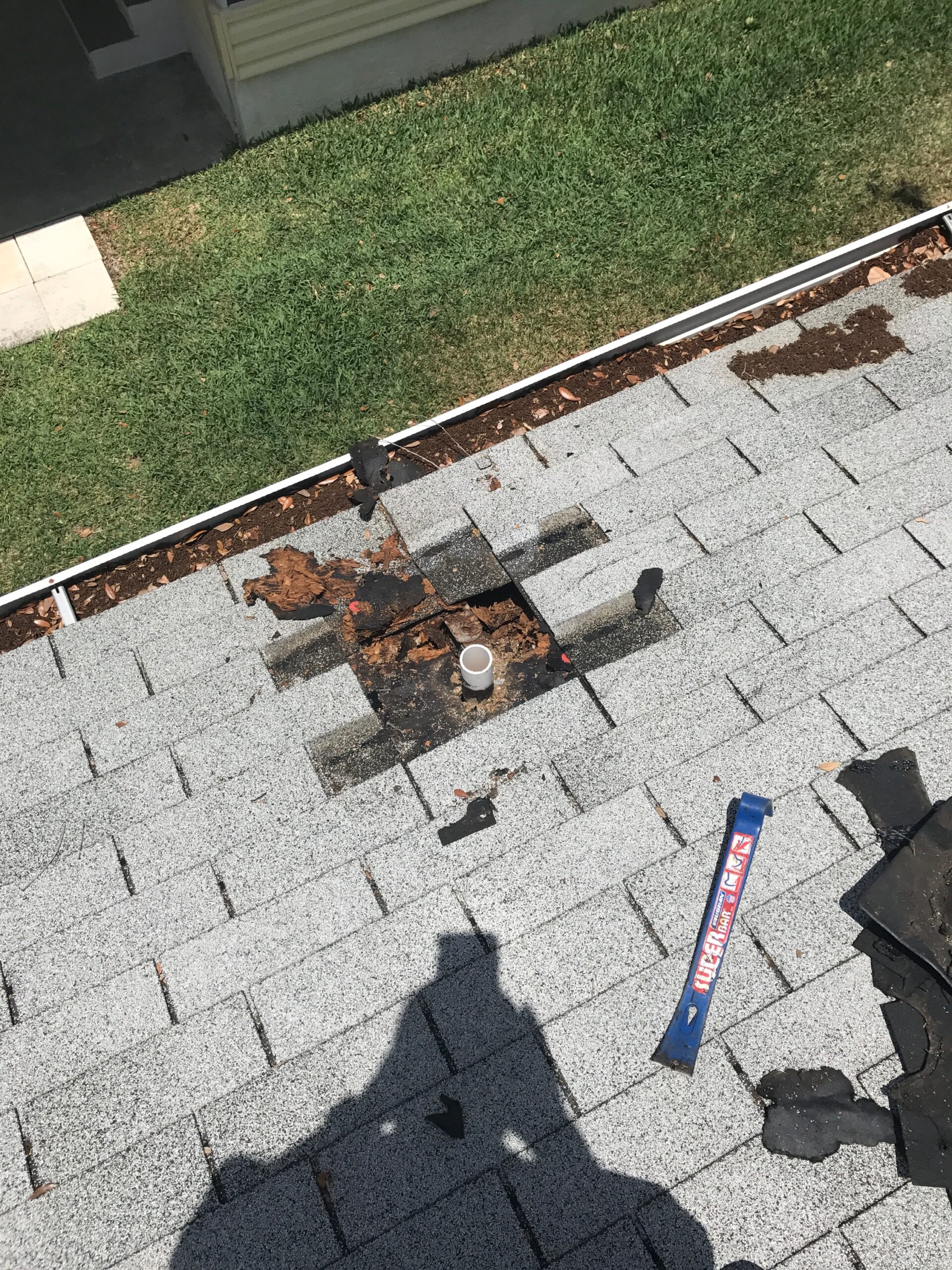
Rot Was Under Shingles
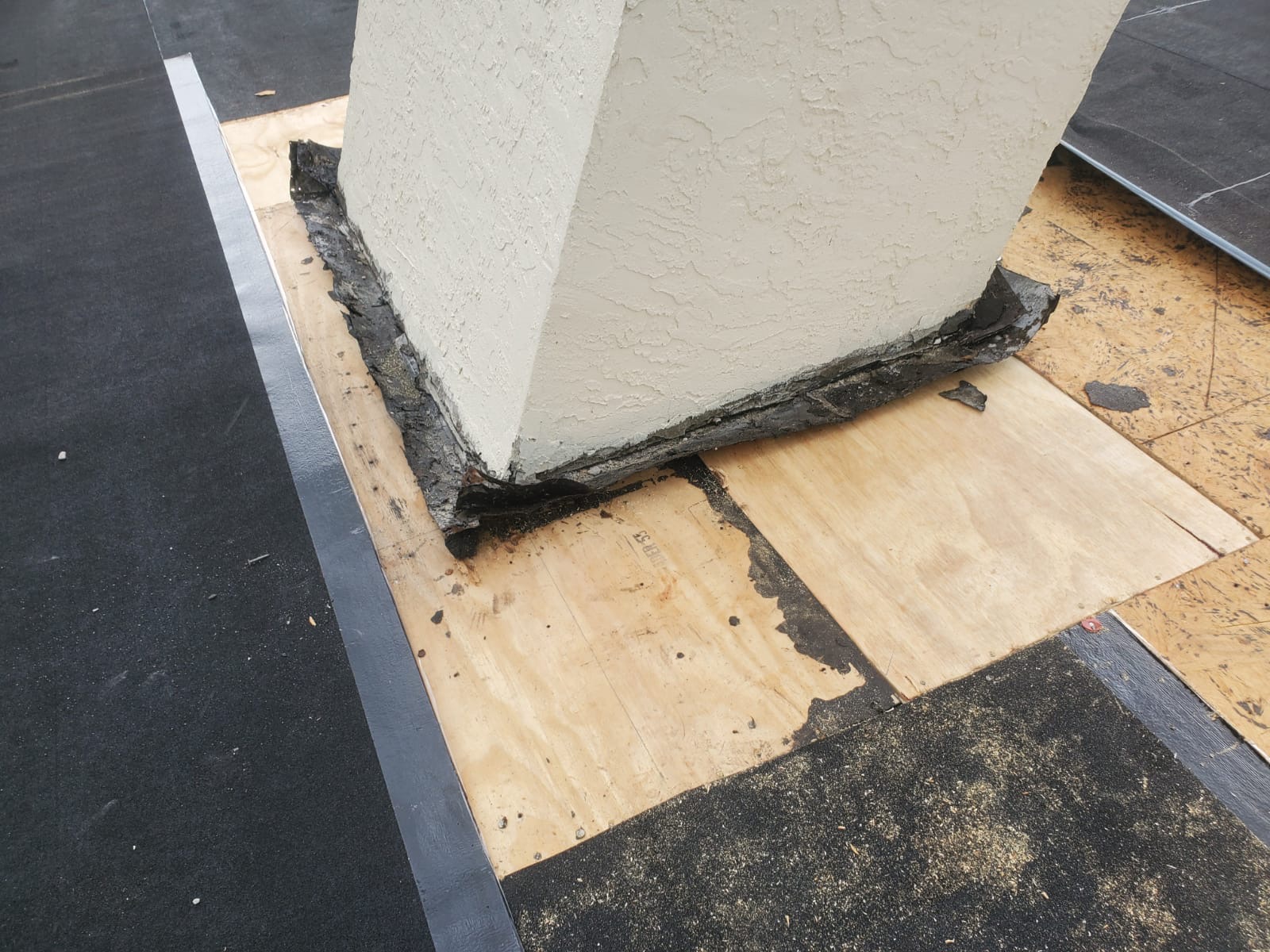
Your Chimney Could Be Leaking
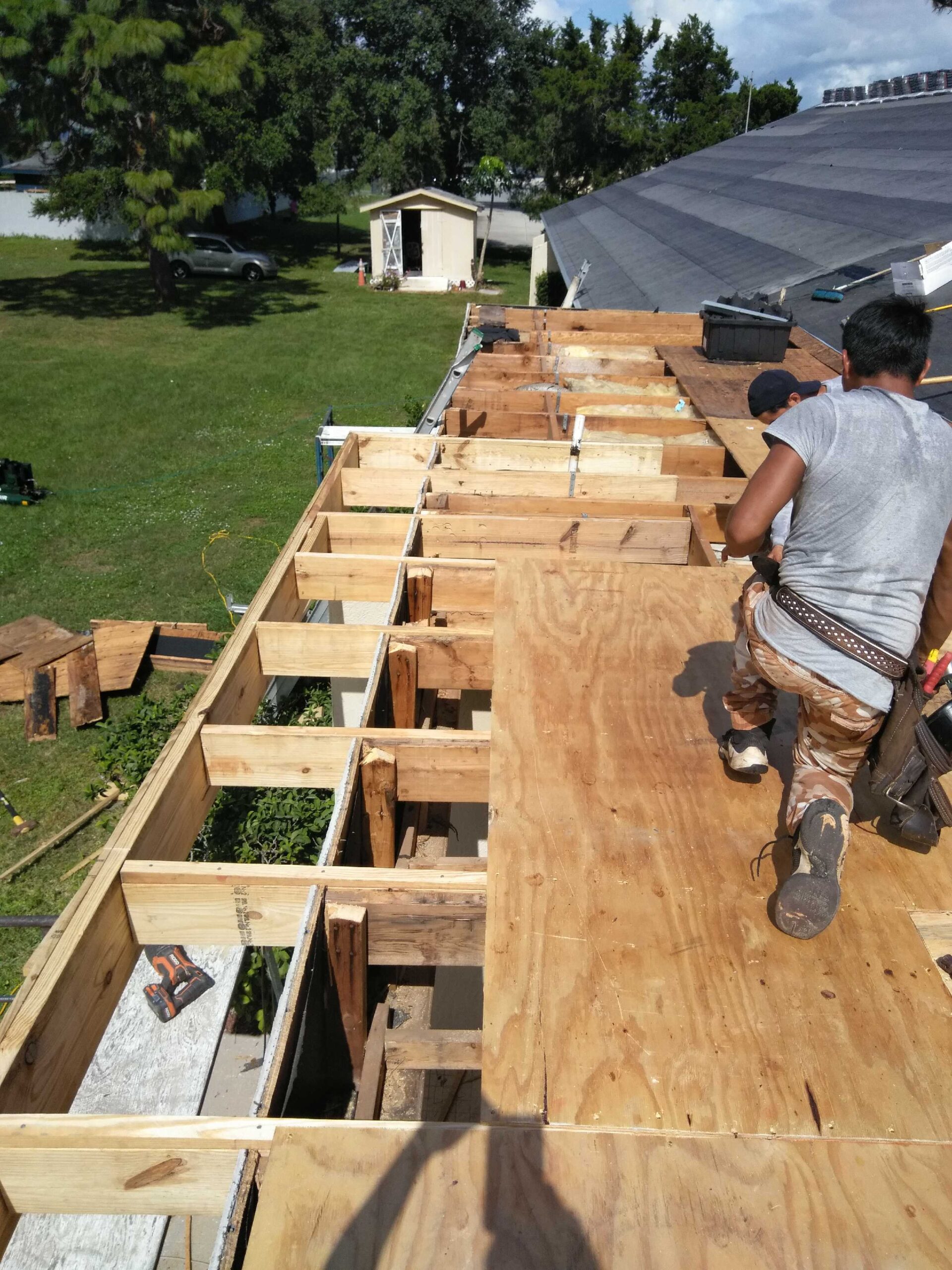
Good Roof Repair vs Great Roof Replacement