
4 Pro’s and Con’s For A New Roof Installation
When it comes to roofing, 4 Pro’s and Con’s For A New Roof Installation is a must know. A well-installed roof not only enhances your home’s curb appeal but also provides essential protection against the elements. However, diving into roof installation can feel daunting, especially with so many choices available. In “Roof Installation 101: Unveiling the 4 Key Pros and Cons You Need to Know!” we break down the critical factors to consider before making this significant investment.
From the benefits of increased energy efficiency and long-lasting materials to potential drawbacks like cost and maintenance, understanding both sides is crucial for homeowners. Armed with the right knowledge of, 4 Pro’s and Con’s For A New Roof Installation you can make an informed decision that will benefit your home for years to come. Ready to elevate your roofing awareness? Let’s uncover the essential pros and cons that will guide you through the roof installation process!
When it comes to roofing, the stakes are high. A well-installed roof not only enhances your home’s curb appeal but also provides essential protection against the elements. However, diving into roof installation can feel daunting, especially with so many choices available. In the 4 Pro’s and Con’s For A New Roof Installation, we break down the critical factors to consider before making this significant investment. From the benefits of increased energy efficiency and long-lasting materials to potential drawbacks like cost and maintenance, understanding both sides is crucial for homeowners.
Armed with the right knowledge, you can make an informed decision that will benefit your home for years to come. Ready to elevate your roofing awareness? Let’s uncover the essential 4 Pro’s and Con’s For A New Roof Installation will guide you through the roof installation process!
Understanding 4 Pro’s and Con’s For A New Roof Installation: An Overview
4 Pro’s and Con’s For A New Roof Installation overview is a multifaceted process that involves more than just laying down shingles. It requires careful planning, selecting the right materials, and employing skilled labor. The roof is one of the most critical components of a home, serving as the primary barrier against weather elements such as rain, snow, wind, and sun. Therefore, understanding 4 Pro’s and Con’s For A New Roof Installation involves not only recognizing its functional significance but also appreciating the broader impact it can have on your property.
A well-installed roof does more than just protect a house; it enhances the overall longevity and durability of the structure. This process begins with a detailed inspection of the existing roof (if there is one) and the framing underneath. This step is crucial to ensure that the new roof will be laid on a solid foundation. Any issues like rot, mold, or structural weaknesses need to be addressed before the installation can proceed. Once the foundation is secure, the choice of roofing material becomes the next critical decision.
Choosing a roofing material is not merely about aesthetics; it involves considering factors such as climate, the architectural style of the home, budget, and long-term maintenance needs. The options range from traditional asphalt shingles to metal, tile, and even green roofing solutions. Each material comes with its own set of advantages and disadvantages, making it essential for homeowners to weigh their options carefully. Understanding these aspects lays the groundwork for a successful roof installation, setting the stage for the benefits and challenges that lie ahead.
The Importance of Choosing the Right Roofing Material
Selecting the 4 Pro’s and Con’s For A New Roof Installation material for the right roof is pivotal, as it directly influences the performance, longevity, and appearance of your roof. Different materials offer varying levels of durability, energy efficiency, and resistance to the elements. For instance, asphalt shingles are popular due to their affordability and ease of installation, but they may not be as durable as metal or tile options. Metal roofs boast impressive longevity and energy efficiency but come with a higher initial cost. Tiles, whether clay or concrete, offer a classic aesthetic and excellent durability but can be quite heavy, requiring a robust underlying structure.
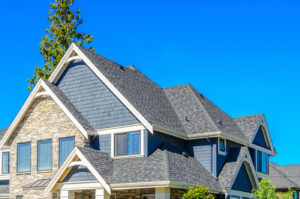
The choice of material also impacts the roof’s ability to withstand local weather conditions. In regions prone to heavy snowfall, materials with high load-bearing capacities, such as metal or slate, are preferable. Conversely, in areas with high temperatures, materials that reflect sunlight and reduce heat absorption, like reflective metal or cool roofs, are more suitable. Additionally, the material’s resistance to elements like wind, hail, and fire should be considered to ensure the roof’s performance and safety.
Aesthetics play a significant role in material selection as well. The roof contributes significantly to the home’s overall curb appeal, and the chosen material should complement the architectural style of the house. For instance, wood shingles or shakes add a rustic charm to traditional homes, while sleek metal roofs are ideal for modern designs. The right material can enhance the visual appeal of the property, making it more attractive to potential buyers and increasing its market value. Balancing these factors is critical to making an informed decision that aligns with both functional requirements and personal preferences.
Pro 1: Enhanced Property Value
One of the most compelling advantages of a new roof installation is the significant boost it can provide to your property’s value. A new roof is a substantial investment, but it often pays off by increasing the home’s marketability and overall worth. Potential buyers are more likely to be attracted to a home with a recently installed roof, knowing that they won’t have to worry about this major expense for many years. This peace of mind can translate into a higher selling price and a quicker sale.
The type of roofing material chosen can also affect the degree to which the property value is enhanced. High-quality materials like metal, slate, or tile are often seen as premium choices that add to the home’s aesthetic appeal and longevity. These materials can command higher prices in the real estate market. Additionally, a roof that enhances the home’s energy efficiency or incorporates eco-friendly materials can attract environmentally conscious buyers, further boosting its value.
Furthermore, a new roof can also improve the home’s overall structural integrity. Over time, roofs can develop leaks, mold, and other issues that compromise the safety and stability of the home. By installing a new roof, homeowners can address these problems, ensuring that the house is in top condition. This not only adds to the property’s value but also provides a safer and more comfortable living environment for its occupants. Investing in a new roof is a wise decision that offers both immediate and long-term financial benefits.
Pro 2: Improved Energy Efficiency
Another significant advantage of a new roof installation is the potential for improved energy efficiency. Modern roofing materials and technologies are designed to enhance the thermal performance of homes, helping to regulate indoor temperatures more effectively. This can lead to substantial savings on energy bills, as heating and cooling systems do not have to work as hard to maintain a comfortable environment. For instance, cool roofs are designed to reflect more sunlight and absorb less heat, keeping the home cooler during hot summer months.
The choice of roofing material plays a crucial role in energy efficiency. Metal roofs, for example, can reflect solar radiant heat, reducing cooling costs by up to 25%. Similarly, clay and concrete tiles offer natural thermal resistance, which can help keep homes cooler in warm climates. Additionally, some roofing materials can be combined with insulation products to further enhance their energy-saving capabilities. Investing in energy-efficient roofing materials not only reduces utility bills but also contributes to a more sustainable and environmentally friendly home.
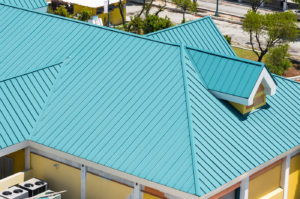
Moreover, improved energy efficiency can also enhance indoor comfort. A well-insulated and energy-efficient roof helps maintain consistent indoor temperatures, reducing the occurrence of hot or cold spots. This creates a more pleasant living environment for occupants, free from the discomfort of fluctuating temperatures. As homeowners become increasingly aware of the benefits of energy efficiency, the demand for roofs that offer these advantages is likely to grow. By choosing energy-efficient roofing options, homeowners can enjoy both immediate and long-term comfort and savings.
Pro 3: Increased Safety and Protection
A new roof installation significantly enhances the safety and protection of your home. Over time, roofs can deteriorate, leading to issues such as leaks, structural damage, and mold growth. These problems not only compromise the integrity of the roof but also pose safety risks to the occupants. A well-installed new roof addresses these issues, providing a robust barrier against the elements and ensuring the home’s structural stability. This is particularly important in regions prone to extreme weather conditions, where a strong and durable roof is essential.
Modern roofing materials and technologies have improved significantly, offering increased resistance to wind, hail, and other environmental stressors. For instance, impact-resistant shingles are designed to withstand hail and debris, reducing the risk of damage during storms. Similarly, metal roofs offer excellent durability and can resist high winds, making them ideal for areas prone to hurricanes or tornadoes. By opting for these advanced materials, homeowners can enhance the resilience of their roofs and protect their homes from potential damage.
Additionally, a new roof can also improve fire resistance, adding an extra layer of safety. Some roofing materials, such as metal and clay tiles, are non-combustible and can help prevent the spread of fire. This is particularly beneficial in areas prone to wildfires, where the risk of fire damage is high. By investing in a new roof with enhanced safety features, homeowners can ensure the well-being of their families and the longevity of their homes. The peace of mind that comes with knowing your home is well-protected is invaluable.

Pro 4: Aesthetic Appeal and Customization Options
The aesthetic appeal of a new roof can transform the overall look of your home, enhancing its curb appeal and making it stand out in the neighborhood. Modern roofing materials come in a wide range of colors, styles, and textures, allowing homeowners to customize their roofs to match their personal preferences and the architectural style of their homes. Whether you prefer the classic look of asphalt shingles, the rustic charm of wood shakes, or the sleek elegance of metal roofing, there are options to suit every taste.
Customization options extend beyond just the choice of material and color. Homeowners can also select different roofing patterns and designs to create a unique and visually appealing roof. For instance, architectural shingles offer a dimensional look with varied shapes and sizes, adding depth and character to the roof. Similarly, clay or concrete tiles can be arranged in various patterns to achieve a distinctive and attractive appearance. These design choices allow homeowners to express their creativity and enhance the aesthetic value of their homes.
Moreover, a well-designed roof can complement the overall architectural style of the home, creating a cohesive and harmonious look. For example, a Mediterranean-style home can be beautifully accentuated with terracotta tiles, while a modern home may benefit from the sleek lines of a metal roof. The right roofing choice can elevate the entire appearance of the property, making it more attractive to potential buyers and increasing its market value. Investing in a new roof is not just about functionality; it’s also about enhancing the beauty and character of your home.
And now the con’s of 4 Pro’s and Con’s For A New Roof Installation
Con 1: High Initial Costs
While the benefits of a new roof installation are numerous, one of the primary drawbacks is the high initial cost. The expense of a new roof can vary significantly depending on factors such as the size of the roof, the materials chosen, and the complexity of the installation process. High-quality materials like metal, slate, or tile tend to be more expensive than traditional asphalt shingles. Additionally, labor costs can add to the overall expense, especially if the installation requires specialized skills or involves intricate design elements.
For many homeowners, the upfront cost of a new roof can be a significant financial burden. This is particularly true for those who may not have budgeted for such a substantial expense. While financing options and home improvement loans are available to help spread the cost, it’s essential to consider the long-term financial implications. The high initial investment can be daunting, and homeowners need to weigh the immediate financial impact against the long-term benefits of a new roof.
It’s also worth noting that unexpected costs can arise during the installation process. Issues such as underlying structural damage, rot, or mold may be discovered once the old roof is removed, leading to additional repairs and expenses. These unforeseen costs can further strain the budget, making it crucial for homeowners to have a financial cushion and be prepared for potential contingencies. While the high initial cost is a significant consideration, it’s important to view it as an investment in the home’s future value, safety, and energy efficiency.
Con 2: Potential for Weather-Related Delays
Another drawback of roof installation is the potential for weather-related delays. Roof installation is a weather-dependent process, and unfavorable conditions such as rain, snow, or high winds can halt the work. These delays not only extend the timeline of the project but can also increase labor costs. So understanding the 4 Pro’s and Con’s For A New Roof Installation is important to know.
Roof installation is a critical aspect of home construction and renovation. It involves the process of placing a new roof on a building to ensure protection from weather elements such as rain, snow, wind, and sunlight. The process is more complex than it might initially appear, encompassing various steps including the selection of materials, the removal of old roofing (if applicable), the installation of underlayment, and the precise placement of roofing materials. Roof installation requires a blend of technical skill, knowledge of materials, and an understanding of building codes and safety regulations.
Choosing the right roof installation method is paramount because it directly impacts the longevity and durability of your home’s roof. Mistakes during installation can lead to leaks, structural damage, and decreased energy efficiency. It’s not just about laying shingles or tiles; it’s about creating a cohesive system that works together to protect and insulate your home. Factors such as roof pitch, climate conditions, and the architectural style of the house all play crucial roles in determining the best approach to roof installation.
Homeowners often face a myriad of choices when it comes to 4 Pro’s and Con’s For A New Roof Installation. From traditional asphalt shingles to modern metal roofing, each material comes with its own set of benefits and drawbacks. The decision-making process can be overwhelming, especially for those who are not familiar with the intricacies of roofing. Understanding the pros and cons of each option can help you make an informed choice that aligns with your budget, aesthetic preferences, and functional needs.
The Importance of Choosing the Right Roofing Material
Selecting the appropriate roofing material is one of the most important decisions you will make during the roof installation process. The material you choose affects not only the appearance of your home but also its durability, energy efficiency, and overall performance. With a wide array of materials available on the market, such as asphalt shingles, metal roofing, clay tiles, and slate, it’s essential to weigh the benefits and limitations of each option.
Asphalt shingles, for instance, are popular due to their affordability and ease of installation. They come in various colors and styles, making them a versatile choice for many homeowners. However, they may not last as long as other materials and can be susceptible to damage in extreme weather conditions. Metal roofing, on the other hand, is known for its longevity and energy efficiency. It can withstand harsh weather and is often made from recycled materials, making it an eco-friendly choice. The downside is that it can be more expensive and may require specialized installation techniques.
Clay tiles and slate are both durable and aesthetically pleasing options that can add a touch of elegance to any home. These materials are especially popular in regions with Mediterranean or historic architectural styles. However, they are also among the most expensive roofing materials and can be heavy, requiring additional structural support. The right choice of roofing material will depend on various factors including your budget, the climate in your area, and your personal preferences.
Pro 1: Enhanced Property Value
One of the significant advantages of investing in a new roof is the potential increase in your property’s value. A well-installed, high-quality roof can be a major selling point for prospective buyers, as it signifies that the home is well-maintained and protected against the elements. A new roof not only enhances the curb appeal of your home but also provides peace of mind to buyers, knowing they won’t have to deal with roofing issues for years to come.
Real estate experts agree that a new roof can yield a high return on investment (ROI) when selling your home. According to Remodeling Magazine’s Cost vs. Value Report, homeowners can recoup a significant portion of their roofing investment upon resale. This is particularly true if you choose a roofing material that is both durable and visually appealing. High-quality roofing materials, such as slate or metal, can provide an even higher ROI due to their longevity and low maintenance requirements.
Furthermore, a new roof can improve your home’s energy efficiency, which is an attractive feature for environmentally conscious buyers. Energy-efficient roofing materials, such as cool roofs, can reduce cooling costs by reflecting more sunlight and absorbing less heat. This can lead to lower energy bills and a more comfortable living environment, making your home more appealing to potential buyers. In summary, investing in a new roof can significantly enhance your property’s value, making it a wise decision for homeowners looking to sell in the future.
Pro 2: Improved Energy Efficiency
Another compelling reason to invest in a new roof is the potential for improved energy efficiency. Modern roofing materials and technologies are designed to provide better insulation and reduce heat transfer, which can lead to significant savings on your energy bills. For example, cool roofs are specifically engineered to reflect more sunlight and absorb less heat, helping to keep your home cooler during the hot summer months.
In addition to cool roofs, there are other energy-efficient roofing options to consider. Metal roofing, for instance, has excellent reflective properties and can be coated with special finishes to enhance its energy performance. Similarly, clay and concrete tiles have natural insulating properties that can help maintain a stable indoor temperature. By choosing an energy-efficient roofing material, you can reduce your reliance on heating and cooling systems, leading to lower energy consumption and a smaller carbon footprint.
Moreover, improved energy efficiency can contribute to a more comfortable living environment. A well-insulated roof helps maintain consistent indoor temperatures, reducing the need for constant adjustments to your thermostat. This can lead to a more pleasant and stable indoor climate, making your home more enjoyable to live in. In conclusion, investing in a new roof with energy-efficient features can provide both financial and environmental benefits, making it a smart choice for homeowners looking to improve their home’s performance and sustainability.
Pro 3: Increased Safety and Protection
A new roof can significantly enhance the safety and protection of your home. Over time, roofs can deteriorate due to exposure to harsh weather conditions, such as heavy rain, snow, wind, and UV rays. This can lead to issues such as leaks, mold growth, and structural damage, which can compromise the integrity of your home. By investing in a new roof, you can address these issues and ensure that your home remains safe and secure.
Modern roofing materials are designed to withstand extreme weather conditions and provide superior protection against the elements. For example, metal roofing is highly resistant to wind, hail, and fire, making it an excellent choice for homeowners in areas prone to severe weather. Similarly, asphalt shingles are available in impact-resistant varieties that can provide additional protection against hail and debris. By choosing a durable and resilient roofing material, you can protect your home from potential damage and reduce the risk of costly repairs.
In addition to protecting your home from external threats, a new roof can also improve indoor air quality by preventing leaks and moisture intrusion. Water damage can lead to mold and mildew growth, which can pose serious health risks to you and your family. By ensuring that your roof is properly installed and maintained, you can prevent these issues and create a healthier living environment. In summary, a new roof can provide increased safety and protection for your home, making it a worthwhile investment for homeowners.
Pro 4: Aesthetic Appeal and Customization Options
A new roof can dramatically enhance the aesthetic appeal of your home, providing an opportunity to update its appearance and add a touch of personal style. With a wide range of roofing materials, colors, and styles available, you can choose a design that complements your home’s architecture and reflects your personal taste. Whether you prefer the classic look of asphalt shingles, the sleek appearance of metal roofing, or the timeless elegance of slate, there are plenty of options to suit your preferences.
In addition to enhancing your home’s curb appeal, a new roof can also increase its marketability. A visually appealing roof can make a strong first impression on potential buyers, setting your home apart from others on the market. By investing in high-quality, attractive roofing materials, you can boost your home’s overall aesthetic and create a lasting impression that can contribute to a higher resale value.
Furthermore, modern roofing materials offer a range of customization options that allow you to tailor your roof to your specific needs and preferences. For example, you can choose from various textures, patterns, and finishes to create a unique look that complements your home’s exterior. Additionally, many roofing materials are available in a wide range of colors, allowing you to select a shade that harmonizes with your home’s color scheme. In conclusion, a new roof can provide aesthetic appeal and customization options that enhance your home’s overall appearance and value.
Con 1: High Initial Costs
One of the most significant drawbacks of roof installation is the high initial cost. Installing a new roof can be a substantial investment, with expenses that can quickly add up depending on the materials, labor, and complexity of the project. High-quality roofing materials, such as metal, clay, or slate, can be particularly expensive, and the cost of professional installation can further increase the overall expense.
For many homeowners, the cost of a new roof can be a significant financial burden. It may require careful budgeting and financial planning to ensure that you can afford the project without compromising other essential expenses. Additionally, financing options such as loans or credit may be necessary to cover the cost of the roof installation, which can result in additional interest payments and financial commitments.
While the high initial cost of a new roof can be daunting, it’s important to consider the long-term benefits and potential savings. A durable, energy-efficient roof can reduce maintenance and repair costs over time, as well as lower energy bills. By investing in a high-quality roof, you can ultimately save money in the long run and protect your home from potential damage. However, it’s essential to weigh the initial cost against the long-term benefits to determine if a new roof is the right investment for your home.
Con 2: Potential for Weather-Related Delays
Another potential drawback of roof installation is the possibility of weather-related delays. Roofing projects are highly dependent on favorable weather conditions, as rain, snow, and high winds can all impact the installation process. Inclement weather can cause delays, extend the project timeline, and increase labor costs, which can be frustrating for homeowners.
Weather-related delays can also pose risks to the quality of the roof installation. For example, if roofing materials are exposed to moisture during installation, it can compromise their integrity and lead to issues such as leaks and water damage. Ensuring that the installation is completed under optimal weather conditions is essential to achieving a high-quality, durable roof.
To mitigate the risks of weather-related delays, it’s important to plan your roof installation project carefully and choose an appropriate time of year for the work. Consulting with a professional roofing contractor can help you determine the best time for installation and develop a contingency plan in case of unexpected weather events. While weather-related delays can be challenging, proper planning and communication with your contractor can help minimize their impact and ensure a successful roof installation.
Con 3: Maintenance Requirements Over Time
While a new roof can provide numerous benefits, it’s important to consider the ongoing maintenance requirements that come with it. Regular maintenance is essential to ensure the longevity and performance of your roof, and neglecting it can lead to costly repairs and premature replacement. Maintenance tasks can include cleaning gutters, removing debris, inspecting for damage, and addressing any issues promptly.
Different roofing materials have varying maintenance needs. For example, asphalt shingles may require periodic inspections and replacement of damaged shingles, while metal roofing may need occasional cleaning and rust prevention treatments. Clay and slate tiles, while durable, can be susceptible to cracking and may require professional repairs. Understanding the maintenance requirements of your chosen roofing material is crucial to ensuring its long-term performance and protecting your investment.
In addition to regular maintenance, it’s important to be prepared for unexpected repairs. Severe weather events, such as storms or hail, can cause damage to your roof that requires immediate attention. Having a plan in place for emergency repairs and knowing how to identify signs of damage can help you address issues quickly and prevent further damage to your home. While maintenance and repairs can be time-consuming and costly, they are essential to preserving the integrity of your roof and ensuring its continued protection for your home.
Conclusion: Making an Informed Decision on Roof Installation
In conclusion, roof installation is a significant investment that comes with both advantages and challenges. Understanding the pros and cons can help you make an informed decision that aligns with your needs, budget, and long-term goals. The benefits of a new roof, such as enhanced property value, improved energy efficiency, increased safety and protection, and aesthetic appeal, can provide substantial value to your home.
However, it’s also important to consider the potential drawbacks, including high initial costs, weather-related delays, and ongoing maintenance requirements. By carefully evaluating these factors and consulting with professional roofing contractors, you can make a well-informed decision that ensures the success of your roof installation project.
Ultimately, investing in a new roof is an opportunity to enhance your home’s performance, appearance, and value. With the right knowledge and preparation, you can navigate the roof installation process with confidence and achieve a high-quality, durable roof that will protect your home for years to come.

4 Pro’s and Con’s For A New Roof Installation Written by Michael Smith
Florida Roofing and Renovations Inc is an Accredited Member of the BBB